
How to Choose the Right Hydraulic Spiral Drill for Pile Foundation
Introduction to Hydraulic Spiral Drill for Pile Foundation
A hydraulic spiral drill, also widely known as an excavator auger, has become essential equipment in modern pile foundation construction. It is specially designed for drilling holes in soil, sand, clay, and even rocky terrain, widely used in building foundation piling, solar pile installation, fence post drilling, bridge foundation engineering, and road construction project
Choosing the right hydraulic spiral drill directly affects construction efficiency, project cost, drilling quality, and service life of the whole set of equipment. Many construction contractors and engineering buyers often face problems such as mismatched drill torque, inappropriate drill bit diameter, poor adaptability to geological conditions, and low matching degree with excavators. This complete guide will walk you through all key factors to select a suitable hydraulic spiral drill for pile foundation work.
Understand the Working Principle of Hydraulic Spiral Drill
Before purchasing, it is necessary to master the basic working principle of a hydraulic spiral drill. The equipment is driven by the excavator’s hydraulic system. The hydraulic motor provides high torque output, drives the reducer, and then transfers power to the spiral drill bit. The spiral blade brings underground soil to the ground continuously, realizing fast vertical drilling.
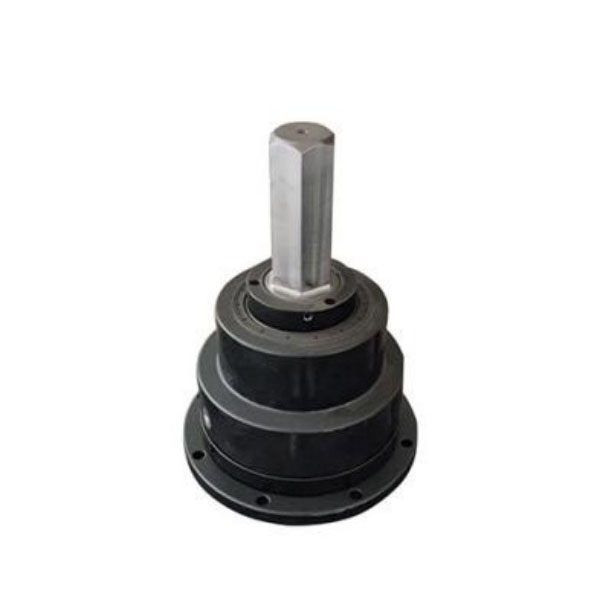
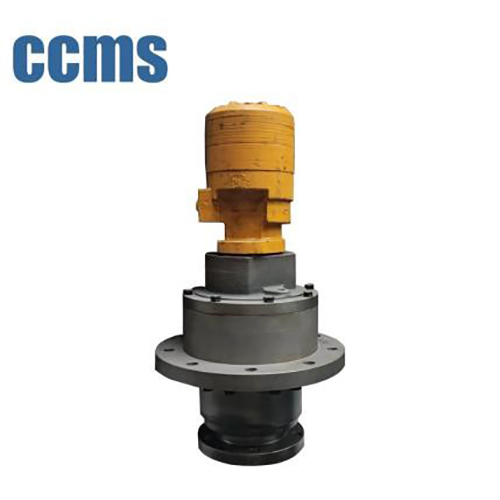
The core components includehydraulic drive motor, planetary reducer, auger drive shaft, spiral drill bit, and connecting bracket.The coordination of these parts determines the drilling speed, bearing capacity, and wear resistance of the hydraulic spiral drill. For pile foundation projects, high torque, stable rotation, and strong geological adaptability are the three most critical performance indicators.
Key Factors to Choose Hydraulic Spiral Drill for Pile Foundation
1. Match Drilling Diameter and Pile Foundation Size
The first step in selection is confirming the required drilling diameter according to your pile foundation specification. Different engineering projects have different pile hole standards:
- Small fence and solar pile: diameter 100mm–300mm
- Ordinary building foundation pile: diameter 300mm–600mm
- Large bridge and engineering pile: diameter 600mm–1200mm or larger
You must select a corresponding spiral drill bit diameter. If the drill bit is too small, it cannot meet pile embedding requirements; if too large, it will cause soil collapse and waste construction cost. Customized drill bits are available for special pile foundation sizes.
2. Confirm Geological Conditions of Construction Site
Geology is one of the most important factors affecting the selection of hydraulic spiral drill. Different soil conditions need different drill bit types and torque configuration:
- Soft soil, loam, sand layer: standard ordinary spiral drill bit with medium torque is enough
- Hard clay, compacted soil: need high-torque hydraulic spiral drill and thickened spiral blade
- Gravel and slightly rocky stratum: choose reinforced rock drill bit and heavy-duty auger drive unit
- Frozen soil area: need low-temperature resistant hydraulic system and wear-resistant alloy drill teeth
Buyers should provide site geological information to the supplier, so as to customize the most suitable hydraulic spiral drill configuration.
3. Excavator Tonnage Matching
Hydraulic spiral drill must be perfectly matched with the tonnage of the supporting excavator. Different tonnage excavators correspond to different auger torque and drilling depth:
- 1–3 ton mini excavator: matched with light-duty spiral drill, suitable for small hole drilling, solar pile, fence post
- 4–8 ton excavator: medium torque hydraulic spiral drill, for conventional house foundation and small engineering piling
- 10–20 ton excavator: high-torque heavy-duty auger, for large-diameter pile foundation and hard soil work
- Above 20 ton excavator: super high torque customized auger drive unit, for deep pile and rocky stratum construction
Mismatched tonnage will lead to insufficient power, slow drilling, or even damage to the excavator hydraulic system..
4. Hydraulic Torque and Drilling Depth Requirement
Torque is the core parameter of a hydraulic spiral drill. Higher torque means stronger drilling ability and better performance in hard soil.
- Low torque: suitable for shallow hole and soft soil
- High torque: support deep drilling, hard soil, gravel stratum
For pile foundation projects, drilling depth usually ranges from 1m to 10m. You need to select the corresponding spiral drill rod length and torque configuration according to the designed pile depth. Insufficient torque will cause the drill to get stuck underground and seriously affect construction progress.
5. Material and Wear Resistance of Drill Bit and Blade
The service life of a hydraulic spiral drill mainly depends on material quality. High-quality spiral drill adopts high-strength manganese steel plate, with overall quenching and wear-resistant welding process. The drill teeth are made of alloy steel, which can resist strong friction and impact.
Low-cost inferior auger blades are easy to deform, wear quickly, and need frequent replacement, increasing later maintenance cost. For long-term pile foundation engineering investment, it is more cost-effective to choose heavy-duty wear-resistant hydraulic spiral drill.
Common Types of Hydraulic Spiral Drill for Pile Foundation
Standard Ordinary Spiral Drill
Suitable for conventional soft soil and loam pile foundation, low price, stable performance, widely used in civil construction, fence and solar power projects.
Rock Type Hydraulic Spiral Drill
Equipped with rock drill teeth and reinforced thickened blade, specially used for gravel, weathered rock and hard stratum pile drilling. It is the preferred choice for complex geological engineering projects.
Long Spiral Deep Drilling Auger
Designed for deep pile foundation, with lengthened drill rod and stable hydraulic output, supporting continuous deep hole forming without soil collapse.
Installation and Use Notes for Hydraulic Spiral Drill
After selecting the right hydraulic spiral drill, standardized installation and use can extend service life and ensure construction safety:
- Check the hydraulic oil circuit and pipeline tightness before installation to avoid oil leakage.
- Match the connecting bracket strictly according to the excavator model to ensure firm connection.
- Keep vertical drilling during operation, avoid slant pressing to prevent drill rod deformation.
- Regularly check the wear degree of drill teeth and spiral blades, replace vulnerable parts in time.
- Maintain the hydraulic system regularly, replace hydraulic oil and filter element periodically.
Why Choose Professional Hydraulic Spiral Drill Supplier
Pile foundation construction has high requirements on equipment stability and safety. Buying from a professional manufacturer can get the following advantages:
- Customized diameter, torque and drill rod length according to project demand
- Strict material inspection and factory performance test
- Complete after-sales service and technical guidance
- Reasonable wholesale price for engineering and bulk order
- Professional matching suggestion for excavator tonnage and geological condition
Professional suppliers can help you avoid wrong selection, reduce project risk and save overall procurement cost.
Conclusion
Selecting the right hydraulic spiral drill for pile foundation needs to comprehensively consider drilling diameter, geological condition, excavator tonnage, torque, drilling depth and material quality. A reasonable choice can greatly improve piling efficiency, reduce failure rate and control engineering cost.
Whether you are a construction contractor, engineering company or equipment wholesaler, mastering these selection standards will help you purchase the most suitable hydraulic spiral drill and create stable benefits for long-term project construction.
Related News
- CNC Machining Castings: Machining Allowance, Datums and Defects
- CCMS Industrial Delivers Precision CNC Parts for Advanced Automation Equipment Applications
- CNC Machining Design Guide: Make Parts Easier to Quote and Produce
- How to Select the Right Centerless Grinder for Your Precision Machining Shop
- How High-Torque Gearboxes Improve Uptime for Excavator and Drilling Fleet Operations
- CNC Machining Surface Finishes: How to Specify Texture and Treatment
Leave me a message