
How High-Torque Gearboxes Improve Uptime for Excavator and Drilling Fleet Operations
On every construction site, mining pit, and drilling operation, one factor determines project profitability more than anything else: uptime. Construction and drilling professionals know firsthand that engine power means very little if your transmission system cannot sustain heavy loads, resist constant shock, and hold precision through thousands of operating hours. For excavators, loaders, and drilling rigs operating in unforgiving environments, a premium heavy-duty gearbox is not just a replacement part—it is the backbone of consistent, long-term machine performance.
Most equipment failures on job sites do not stem from engine breakdowns. They originate from worn gearing, inefficient torque transfer, or inferior gearbox components unable to handle real-world operational stress. Dust, moisture, repetitive shock loads, continuous high-torque cycling, and irregular terrain all gradually wear down standard transmission parts. Choosing a purpose-built heavy-duty gearbox designed specifically for construction and drilling machinery eliminates these weak points, extending service life, reducing maintenance frequency, and drastically cutting operational downtime.
In this comprehensive guide, we break down why industrial-grade gearboxes are essential for modern excavators, loaders, and drilling rigs, what key features separate premium models from generic alternatives, and how proper gearbox selection directly improves job site efficiency and long-term equipment ROI.
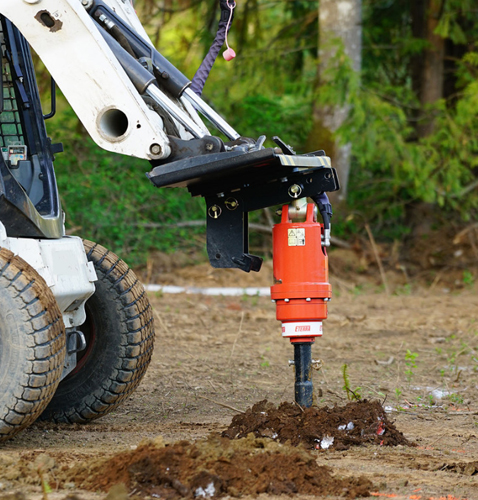
Why Construction and Drilling Equipment Needs Specialized Heavy-Duty Gearboxes
Light-duty gearboxes manufactured for stationary industrial machinery cannot meet the demands of mobile construction equipment. Excavators, wheel loaders, and drilling rigs operate under dynamic, unpredictable loads that change constantly throughout each work shift. Unlike factory machinery running at steady speeds and consistent torque, construction equipment faces sudden impact loads, frequent start-stop cycles, uneven ground resistance, and prolonged high-pressure operation.
For excavators, the gearbox handles critical travel and swing drive functions. Every digging motion generates reverse torque, while travel across rocky, muddy, or uneven terrain delivers continuous vibration and shock. A low-quality gearbox will quickly develop backlash, gear wear, and bearing failure, leading to sluggish swing movement, track slippage, and eventual complete shutdown.
For loaders, gearboxes sustain extreme repetitive stress during bucket loading, material lifting, and forward pushing operations. Loaders often operate at full load capacity for hours, requiring consistent torque output without overheating or power drop-off. Generic gearboxes frequently overheat under sustained heavy loading, resulting in reduced efficiency, accelerated lubricant degradation, and premature component failure.
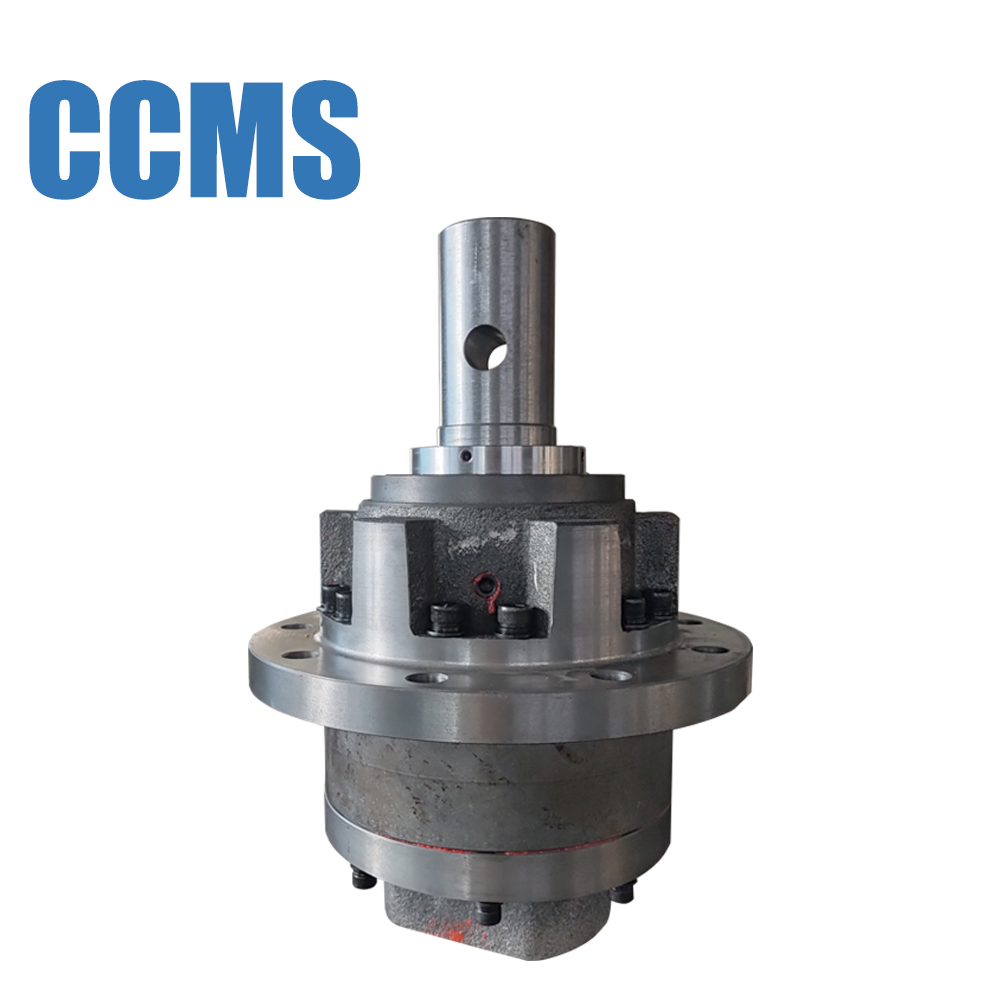
For drilling rigs, gearboxes face unique high-pressure, deep-cycle operating conditions. Deep earth drilling demands steady rotational force under extreme downhole resistance, constant friction, and contaminated working environments filled with dust, sediment, and moisture. Only heavy-duty planetary gearbox designs can maintain stable torque output and precise rotational control during long-duration drilling cycles.
Simply put: standard gearboxes sacrifice durability and torque stability to cut production costs. Professional heavy-duty gearboxes are engineered specifically to match the brutal working cycles of construction and drilling machinery, ensuring reliable performance year after year.
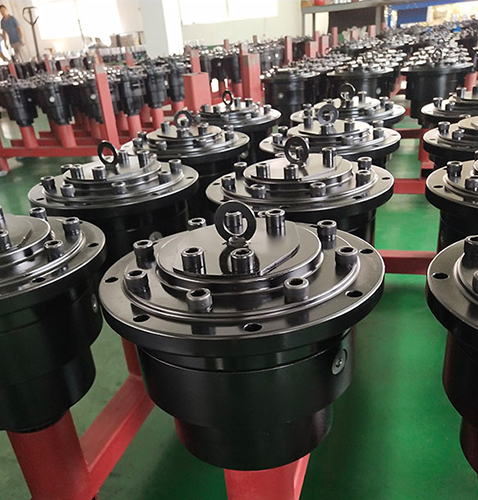
Core Advantages of Industrial-Grade Planetary Gearboxes for Construction Machinery
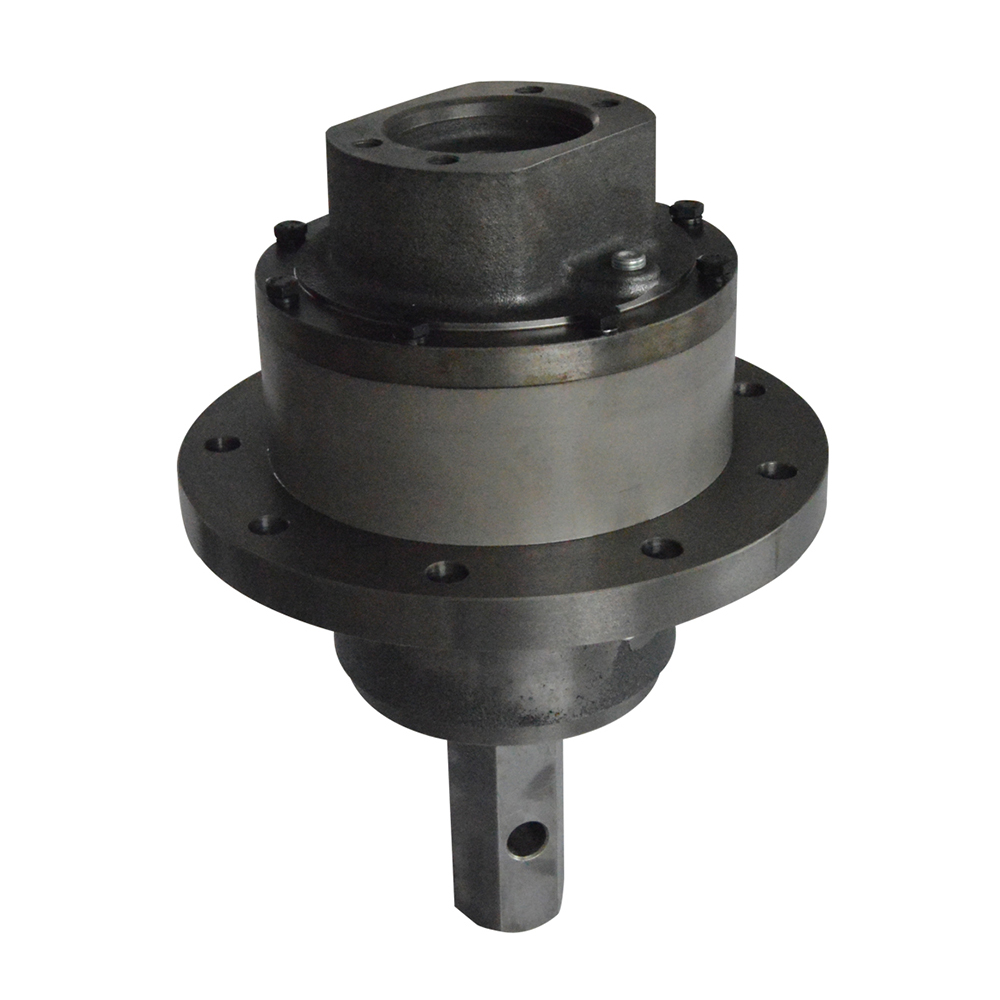
The majority of premium excavator, loader, and drilling rig gearboxes adopt advanced planetary transmission structures, which outperform traditional helical and worm gearboxes in torque density, compactness, and load resistance. The multi-tooth meshing design distributes operating stress evenly across multiple gear surfaces, rather than concentrating pressure on a single gear pair. This fundamental structural advantage delivers four key benefits for job site operations.
1. Superior High-Torque Output Under Full Load
Construction and drilling work relies on sustained high torque to break ground, move heavy materials, and penetrate hard strata. Heavy-duty planetary gearboxes amplify hydraulic motor power efficiently, delivering consistent high torque at low rotational speeds. Even during peak load moments such as rock excavation, full-bucket loading, and deep drilling breakthroughs, the gear system maintains stable power output without slippage or torque loss. This consistent power transfer ensures equipment operates at full design capacity rather than wasting engine power through inefficient transmission loss.
2. Exceptional Wear and Impact Resistance
Job site environments offer zero leniency for weak components. Premium gearboxes use high-grade alloy steel with precision carburizing and heat treatment processes, achieving surface hardness between 58–62 HRC while retaining a tough, shock-resistant core structure. This combination resists abrasion from dusty, contaminated lubrication environments and absorbs sudden impact loads during uneven digging and loading cycles. Every gear component undergoes precision grinding to eliminate surface burrs, reducing friction wear and extending overall service life significantly compared to standard aftermarket alternatives.
3. High Transmission Efficiency and Lower Operational Costs
Inefficient gear transmission directly increases fuel and energy consumption. Generic gearboxes often suffer from high friction loss, requiring more engine power to produce the same working force. Professional heavy-duty gearboxes optimize gear tooth profiles and internal structural layout, achieving transmission efficiency above 95%. Reduced power loss translates to lower fuel consumption for diesel-powered machinery and less energy consumption for electric drilling equipment. Over thousands of operating hours, this efficiency gain creates substantial operational cost savings for fleet owners and contractors.
4. Compact Modular Design for Easy Maintenance
Construction equipment requires components that balance high performance with practical serviceability. Modern heavy-duty gearboxes feature compact, highly integrated modular structures that save installation space while improving structural rigidity. The simplified internal layout allows technicians to complete inspection, lubrication replacement, and component maintenance far faster than traditional complex transmission systems. Standardized mounting specifications ensure excellent compatibility with mainstream excavator, loader, and drilling rig models, reducing replacement downtime and part matching difficulties.
Application-Specific Performance by Equipment Type
While all heavy-duty gearboxes share core durable characteristics, their optimized performance targets differ slightly based on equipment application scenarios. Understanding these differences helps equipment owners select the most suitable gearbox for their specific working conditions.
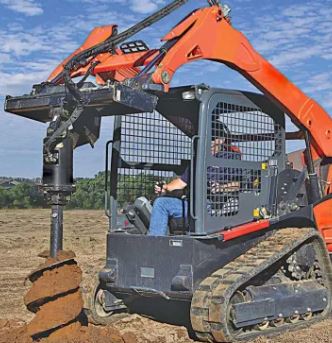
Excavator Gearboxes: Stable Travel and Precise Swing Control
Excavators depend entirely on reliable travel gearboxes and swing gearboxes for daily operation. Travel gearboxes provide track driving force for cross-terrain movement, while swing gearboxes control precise upper-body rotation during digging, lifting, and material placement. In complex environments including mountain slopes, construction ruins, and foundation pits, excavator gearboxes must resist continuous vibration, frequent forward-reverse switching, and intermittent impact loads. High-quality excavator gearboxes ensure smooth startup and shutdown, no jitter during rotation, and stable walking speed even on slippery or rugged ground, greatly improving construction accuracy and safety.
Loader Gearboxes: Sustained Heavy-Load Resistance
Loaders work primarily in earthwork filling, stockyard handling, and mine material transportation, with working characteristics of long-duration full-load operation and frequent impact loading. Loader-specific gearboxes strengthen internal bearing structures and gear tooth strength to resist fatigue failure caused by long-term cyclic loading. During heavy pushing, shoveling, and climbing operations, the gearbox maintains stable torque output, avoiding power attenuation and overheating failures. Excellent continuous working performance ensures loaders maintain high-efficiency operation throughout long shifts without frequent downtime for cooling or maintenance.
Drilling Rig Gearboxes: High-Pressure Continuous Operation
Drilling rigs represent the most demanding application for gearbox durability. Deep drilling requires gearboxes to maintain stable high-torque rotation under long-duration high-pressure conditions, withstanding downhole resistance, mud corrosion, and environmental dust pollution. Professional drilling gearboxes adopt enhanced sealing structures and anti-corrosion surface treatment, effectively preventing dust, sediment, and muddy water from entering the transmission cavity. Stable rotational precision ensures vertical drilling accuracy, reduces drilling deviation, and avoids construction quality problems caused by unstable power output.
How Premium Gearbox Selection Improves Your Equipment ROI
Many equipment operators choose low-cost generic gearboxes to save short-term purchase costs, yet this decision leads to far higher long-term losses. Frequent gearbox failures cause sudden equipment shutdowns, delaying project progress, increasing labor idle costs, and requiring repeated replacement and maintenance expenses. In contrast, investing in industrial-grade heavy-duty gearboxes delivers clear economic advantages.
First, ultra-low failure rates drastically reduce unplanned downtime. For engineering fleets, every day of equipment shutdown equals direct project revenue loss. Reliable gearbox performance ensures continuous and stable equipment operation, guaranteeing project construction progress. Second, extended service life reduces replacement frequency. High-quality gearboxes usually serve two to three times longer than ordinary aftermarket products, greatly reducing annual parts replacement costs. Third, high-efficiency transmission reduces long-term fuel and energy consumption, forming stable cost savings throughout equipment operation.
For construction companies, leasing fleet owners, and drilling engineering teams, premium gearboxes are a low-risk, high-return accessory investment that effectively reduces overall equipment operation costs and improves core project profitability.
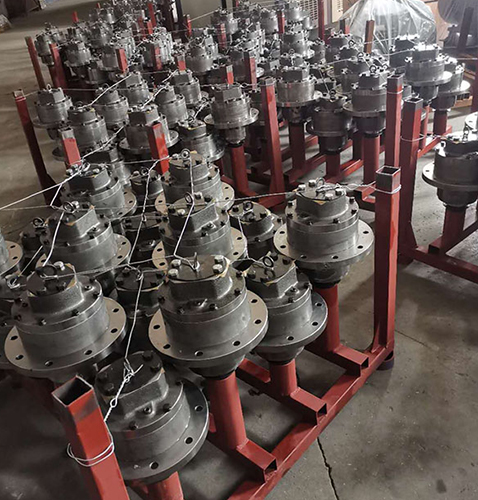
Key Factors to Consider When Purchasing Construction Gearboxes
When selecting replacement or new gearboxes for excavators, loaders, and drilling rigs, buyers should focus on three core indicators to avoid unqualified products.
First, confirm material and heat treatment craftsmanship. High-quality gearboxes use alloy steel with strict carburizing and quenching treatment to ensure surface wear resistance and core toughness. Inferior products use ordinary steel with simple surface treatment, which appears intact when new but suffers rapid gear tooth wear and tooth breakage after short-term heavy-load use.
Second, verify transmission structure and efficiency parameters. Qualified heavy-duty planetary gearboxes maintain transmission efficiency above 95%, with uniform torque output and low heat generation. Products with low efficiency will cause severe overheating during summer construction and long-term operation, accelerating lubricant deterioration and leading to early scrapping.
Third, check sealing performance and processing precision. Precision machining ensures tight gear meshing and low running noise, while multi-layer sealing structures effectively isolate dust and muddy water. Poor sealing leads to internal contamination, gear corrosion, and bearing wear, becoming the main cause of premature gearbox failure.
Final Thoughts
In the fiercely competitive construction and drilling industries, equipment reliability determines operational efficiency and profit margins. The gearbox, as the core power transmission component of excavators, loaders, and drilling rigs, bears the most severe working loads and environmental tests. Upgrading to professional heavy-duty gearboxes eliminates transmission system weaknesses, allows equipment to cope with various complex working conditions stably, minimizes downtime loss, and reduces long-term maintenance costs.
Whether you maintain a full fleet of construction machinery, manage drilling engineering projects, or need reliable replacement parts for equipment maintenance, choosing industrial-grade heavy-duty gearboxes delivers stable performance, outstanding durability, and measurable economic benefits for every job site operation.
Related News
- CNC Machining Deburring: How to Specify Edges and Inspect Hidden Burrs
- CNC Machining Threads: How to Specify and Inspect Tapped Holes
- CNC Machining Castings: Machining Allowance, Datums and Defects
- CCMS Industrial Delivers Precision CNC Parts for Advanced Automation Equipment Applications
- CNC Machining Design Guide: Make Parts Easier to Quote and Produce
- How to Select the Right Centerless Grinder for Your Precision Machining Shop
Leave me a message