
Why Modern Centerless Grinders Focus on Precision, Intelligence and Automation
The Three Core Technological Hotspots of Modern Centerless Grinding: High Precision, Intelligence, and Automation
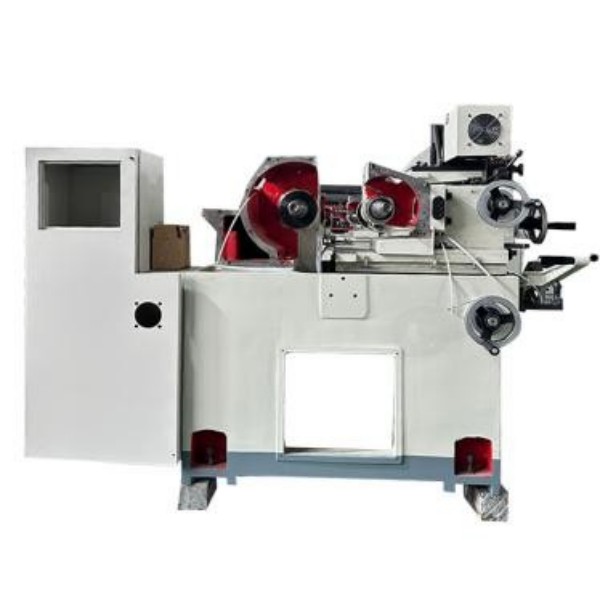
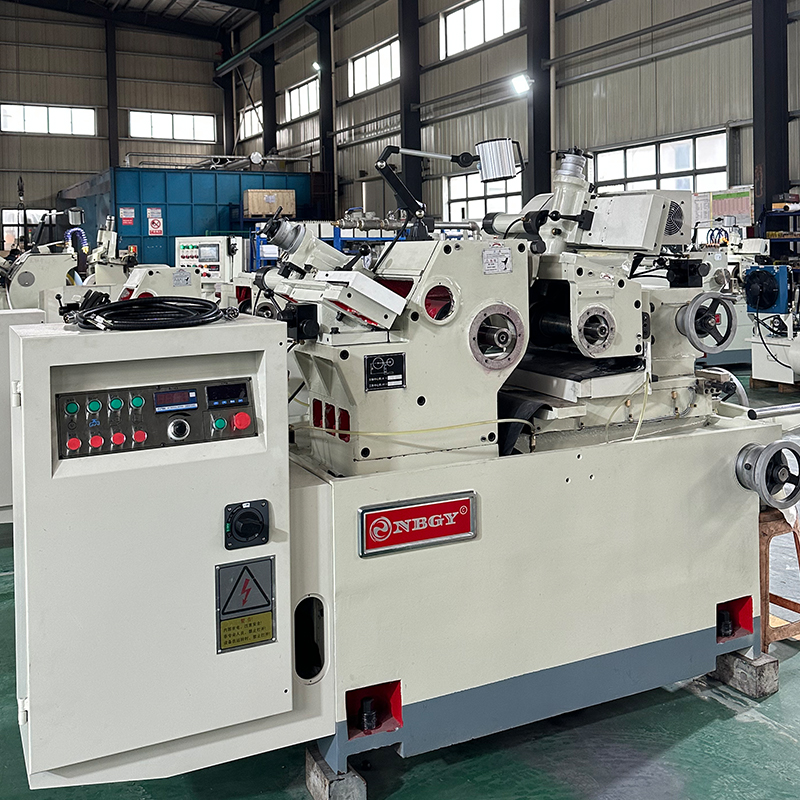
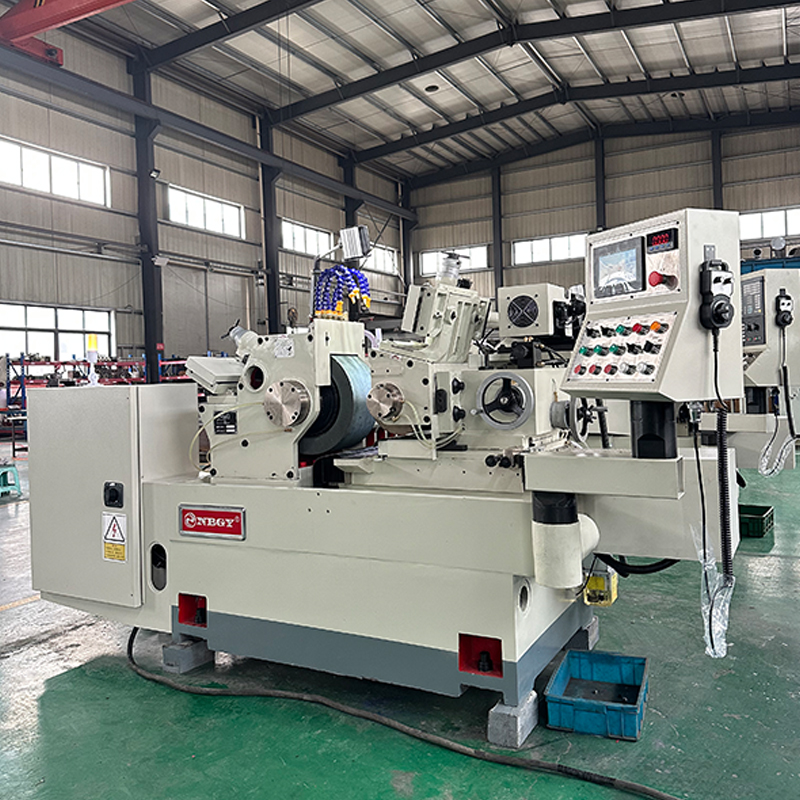
In the fast-evolving landscape of precision machining, centerless grinding machines stand as critical equipment for cylindrical part manufacturing. As industries like automotive, aerospace, medical devices, and precision engineering demand ever-tighter tolerances and higher efficiency, modern centerless grinding technology is rapidly advancing around three core hotspots: high precision, intelligent control, and full automation. These technological breakthroughs are not only enhancing machining quality but also reshaping the future of smart manufacturing.
High Precision: The Foundation of Advanced Centerless Grinding
High Precision: Micron-Level Accuracy Redefining Manufacturing Standards
High precision remains the eternal pursuit of centerless grinding technology. Today's top-tier CNC centerless grinders achieve unprecedented accuracy levels, with dimensional tolerances controlled to ±0.0002mm (0.2μm) and roundness as low as 0.3μm. This ultra-precision capability comes from several key technological advancements:
- Closed-loop in-process measurement systems: Laser gauges and non-contact optical sensors monitor workpiece dimensions in real-time, providing instant feedback to adjust grinding parameters. This dynamic compensation eliminates errors caused by wheel wear and thermal expansion.
- Advanced wheel dressing technology: Automatic servo-driven dressing systems maintain optimal wheel sharpness, with some high-end models achieving 0.1μm dressing precision.
- Thermal stability design: Precision temperature sensors and compensation algorithms minimize thermal deformation, ensuring consistent accuracy during 24-hour continuous operation.
- High-rigidity structures: Mineral castings and hydrostatic guideways reduce vibration, enabling surface finishes as smooth as Ra 0.05μm.
This exceptional precision makes modern centerless grinders indispensable for manufacturing critical components like medical implants, aerospace shafts, automotive transmission parts, and precision bearings where even microscopic defects can cause catastrophic failures.
Intelligent & AI-Driven Centerless Grinding: Self-Optimizing Smart Manufacturing
- AI adaptive control: Algorithms analyze real-time data (vibration, power, temperature) to automatically adjust feed rates, wheel speeds, and pressures. This optimizes material removal rates while maintaining precision.
- Predictive maintenance: Machine learning models monitor component health, forecasting potential failures before they occur and reducing unplanned downtime by up to 40%.
- Digital twin technology: Virtual simulations of the grinding process allow parameter optimization in a digital environment before physical production.
- Remote monitoring & diagnostics: Cloud-based platforms enable engineers to monitor machine performance, adjust parameters, and troubleshoot issues from anywhere in the world.
- Smart HMI interfaces: Intuitive touch controls with guided programming reduce operator skill requirements and setup time.
These intelligent capabilities transform centerless grinders from passive tools into active decision-making components of smart factories, aligning perfectly with Industry 4.0 principles.
Automated Centerless Grinding Solutions: From Manual Operation to Unmanned Production
Automation is revolutionizing centerless grinding by eliminating manual intervention and enabling continuous, lights-out production. Modern automated systems integrate multiple advanced functions:
- Robotic loading/unloading: 6-axis robots handle workpiece feeding, part flipping, and finished product collection, increasing throughput by 50-100% compared to manual operation.
- Automatic workpiece sorting: Vision systems identify and sort different part types, allowing mixed-batch production without manual resetting.
- CNC programmable cycles: Operators input part specifications once, and the machine executes complete grinding sequences (roughing, finishing, polishing) automatically.
- Servo-driven precision positioning: Digital servo motors replace hydraulic systems, providing 0.1μm positioning resolution and faster response times.
- Integrated quality control: Post-process inspection stations automatically reject defective parts, ensuring 100% quality compliance.
Fully automated centerless grinding cells reduce labor costs by 70%, minimize human error, and enable 24/7 production—critical advantages for high-volume manufacturing environments.
The Synergy of Three Technologies: Future Trends & Industry Impact
The Convergence of Precision, Intelligence, and Automation: Future Development Trends
The true power of modern centerless grinding emerges when high precision, intelligence, and automation work in synergy. This technological convergence is driving several key trends:
- Modular smart grinding systems: Flexible configurations that can be customized for specific industries while maintaining core precision and automation capabilities.
- Sustainable grinding: Intelligent systems optimize coolant usage and wheel consumption, reducing waste and environmental impact.
- Cross-industry applications: Advanced centerless grinders now process exotic materials (titanium, nickel alloys, ceramics) for aerospace and medical sectors.
- Small-batch flexibility: Intelligent programming systems enable quick changeovers, making high-precision automation economically viable for small production runs.
Conclusion: Adopting High-Precision, Intelligent, Automated Centerless Grinding for Competitive Advantage
As manufacturing enters the era of smart factories, centerless grinding machines equipped with high precision, intelligent control, and full automation are no longer optional upgrades but essential investments for maintaining competitive advantage. These technological advancements deliver:
- Unmatched part quality with micron-level precision
- Dramatically increased productivity and throughput
- Reduced labor costs and minimal human error
- Enhanced process stability and consistency
- Seamless integration into Industry 4.0 smart manufacturing ecosystems
For manufacturers aiming to excel in precision machining, understanding and adopting these three core technological hotspots will be crucial for success in 2026 and beyond. Whether producing medical components, automotive parts, or aerospace assemblies, advanced centerless grinding technology provides the accuracy, efficiency, and reliability needed to meet the most demanding manufacturing challenges.
Related News
- CNC Machining Castings: Machining Allowance, Datums and Defects
- CCMS Industrial Delivers Precision CNC Parts for Advanced Automation Equipment Applications
- CNC Machining Design Guide: Make Parts Easier to Quote and Produce
- How to Select the Right Centerless Grinder for Your Precision Machining Shop
- How High-Torque Gearboxes Improve Uptime for Excavator and Drilling Fleet Operations
- CNC Machining Surface Finishes: How to Specify Texture and Treatment
Leave me a message