
Planetary Gear Reducer Ratio Calculation & Load Capacity Explained
What Is a Planetary Gear Reducer, and How Does It Operate?
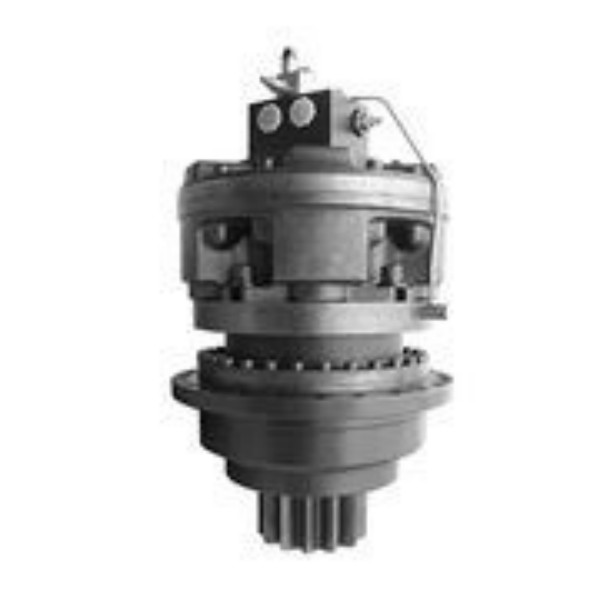
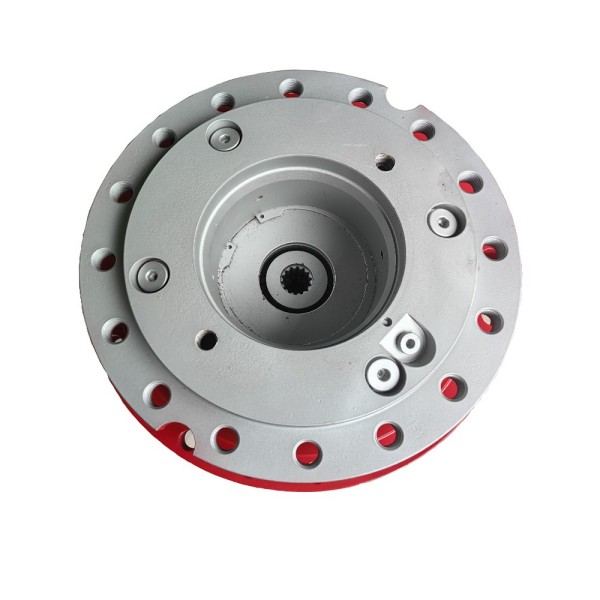
If you source motion control parts for factory automation, robotics, or CNC equipment, you will encounter the planetary gear reducer as the most reliable speed reduction component on the market today. A planetary gear reducer, also called an epicyclic gearbox, relies on four core mechanical parts to cut input speed and multiply output torque without wasting power. The central sun gear locks directly to your motor’s input shaft; three or four evenly spaced planet gears mesh with both the sun gear and a fixed outer ring gear, while a solid planet carrier connects the planet gear axles and acts as the reducer’s output port.Unlike parallel spur gearboxes that place load on just one gear tooth pair at a time, the planetary gear reducer spreads mechanical stress across every planet gear mesh point simultaneously. This distributed load design is the foundational reason a compact planetary gear reducer outputs far higher torque than same-size worm or helical reducers. When the sun gear spins fast from the servo or stepper motor, planet gears spin on their own axes and orbit the sun gear. Since the ring gear stays bolted stationary inside the reducer housing, all orbital motion transfers rotational force to the planet carrier, delivering slower, stronger torque to your machine’s working end. A standard single stage planetary gear reducer supports reduction ratios from 3:1 up to 10:1, while stacked multi stage planetary gear reducer assemblies push ratios past 100:1 for ultra-slow, heavy-load tasks.
Core Advantages That Make Planetary Gear Reducers Industry Standard
Engineers consistently prioritize a planetary gear reducer over alternative gearboxes for four non-negotiable performance perks, each critical for long-cycle industrial operation:
- Class-leading torque density: No other reducer packs comparable torque into a small footprint. A precision planetary gear reducer fits tight machine frames while handling peak shock loads that would warp smaller worm gear units.
- Superior energy efficiency: Well-machined single stage planetary gear reducer models hit 97% to 98% power transfer efficiency; even three-stage planetary gear reducer setups maintain 90%+ efficiency, slashing long-term motor electricity costs vs low-efficiency worm reducers (60–85% typical).
- Low backlash for precision motion: Premium precision planetary gear reducer lines hold backlash under 3 arcminutes, perfect for robotic arms, semiconductor positioning, and laser CNC where positional error ruins finished parts. Budget planetary gear reducer variants run 5–15 arcminutes for general conveyor or packaging lines.
- Balanced, low-vibration running: The symmetrical planet gear layout eliminates side thrust forces common in offset spur gearboxes. A sealed planetary gear reducer runs quieter with less bearing wear, extending service life by thousands of operating hours in 24/7 production plants.
Main Planetary Gear Reducer Types by Structure & Stage Count
Buyers split planetary gear reducer models into two primary categorizations: shaft alignment (mount style) and gear stage number.
Inline Planetary Gear Reducer (Coaxial)
This is the most widely stocked planetary gear reducer variant, with input and output shafts aligned on one central axis. Inline planetary gear reducer units bolt straight to standard NEMA servo and stepper motor flanges, making drop-in integration fast for machine retrofits. You will see inline planetary gear reducer sizes from tiny 22mm micro units for 3D printers up to 160mm heavy-duty frames for injection molding equipment. Most precision planetary gear reducer servo packages use inline architecture for maximum concentricity.
Right Angle Planetary Gear Reducer
When machine layout demands a 90-degree power turn, the right angle planetary gear reducer integrates a bevel gear set at the input stage. While slightly less compact than inline planetary gear reducer equivalents, right angle planetary gear reducer systems save critical horizontal space on gantry robots, packaging turntables, and mobile hydraulic machinery. Many custom planetary gear reducer builds combine a primary planetary stack with a right-angle input for unique factory footprint constraints.
Single Stage vs Multi Stage Planetary Gear Reducer
- Single stage planetary gear reducer: One sun/planet/ring gear stack only. Light weight, minimal backlash, peak efficiency. Best for ratios 3:1–10:1, light-to-medium torque loads (3Nm–200Nm), high-speed servo cycling like pick-and-place robots and 3D printing axes.
- Two stage planetary gear reducer: Two stacked planetary assemblies. Handles ratios 10:1–100:1, medium-heavy torque (200Nm–2,000Nm). Ideal for conveyor drives, metal cutting CNC spindles, and packaging line rotary actuators.
- Three stage planetary gear reducer: Three linked gear stages for extreme reduction ratios (100:1 to 1000:1+). Built for ultra-low speed, massive torque (2,000Nm–15,000Nm) applications: heavy lifting robotics, large extruders, construction auxiliary drives. Each extra stage in a planetary gear reducer adds small efficiency losses and minor backlash increases, so engineers only add stages when torque/ratio needs require it.
Step-by-Step Guide to Selecting a Suitable Planetary Gear Reducer
Picking the wrong planetary gear reducer leads to premature breakdown, missed production deadlines, and wasted capital. Follow this practical workflow used by North American and European mechanical design teams:
- Confirm your motor specs first: Record rated RPM, peak torque, flange size (NEMA 17/23/34/42 most common), and continuous vs intermittent duty cycle. The planetary gear reducer must match the motor’s mounting interface perfectly to avoid alignment damage.
- Calculate your required reduction ratio: Divide motor input RPM by your target load output RPM to get the base ratio, then cross-check available planetary gear reducer stage ratio ranges (single, two, three stage limits listed above).
- Size torque capacity: Always size the planetary gear reducer’s rated continuous torque 15–20% higher than your machine’s peak operating torque. Shock loads (stamping, material cutting) demand a 30% torque safety margin for the planetary gear reducer housing and gear teeth.
- Define precision tolerance: Optical inspection, medical automation, and robotic welding need low-backlash precision planetary gear reducer (≤3 arcmin). General material handling can use standard planetary gear reducer (8–15 arcmin) to cut component costs.
- Choose mounting orientation: Straight line installs use inline planetary gear reducer; tight cabinet or vertical frame layouts require right angle planetary gear reducer.
- Check environmental ratings: Food, pharmaceutical, or washdown lines need stainless steel housing planetary gear reducer with IP65+ sealing; dusty metal fabrication requires IP54 sealed planetary gear reducer with high-temperature synthetic grease.
Top Global Industrial Uses for Planetary Gear Reducers
The versatility of a well-engineered planetary gear reducer lets it serve dozens of high-demand sectors across Europe, USA, Australia, and Southeast Asia:
- Robotics: Every articulated robot arm joint relies on compact precision planetary gear reducer to deliver smooth, repeatable arm movement without positional drift. Collaborative cobots often use micro planetary gear reducer units under 40mm frame size for lightweight safety design.
- CNC & Machine Tools: Milling, lathe, and laser cutting axes pair servo motors with low-backlash planetary gear reducer to hold micron-level cutting tolerances. Multi stage planetary gear reducer powers heavy spindle drives for metal hard milling.
- Packaging & Food Processing: Filling lines, bottle capping stations, and conveyor belts run durable IP-rated planetary gear reducer. Washdown-grade planetary gear reducer meets FDA-compliant material standards for direct food contact machinery.
- Renewable Energy: Small wind turbine yaw drives and solar tracker rotation actuators deploy weather-sealed planetary gear reducer to withstand outdoor temperature swings and wind shock loads.
- Mobile & Construction Equipment: Mini excavator attachments, concrete mixer drives, and electric forklift traction motors integrate heavy-duty planetary gear reducer for high torque in restricted chassis space.
- Consumer Precision Devices: Cordless power tool gear heads, camera gimbals, and electric bike hub drives all use miniature planetary gear reducer to boost motor torque without bulky frame sizes.
Maintenance & Common Failure Fixes for Planetary Gear Reducer Units
Even the toughest planetary gear reducer needs scheduled care to hit its full rated service life (typically 10,000–30,000 running hours with proper lubrication):
- Grease/Oil Replacement: High-speed precision planetary gear reducer requires synthetic gear oil changes every 3,000–5,000 hours; low-speed heavy-load planetary gear reducer uses lithium complex grease refreshed every 8,000–12,000 hours. Never mix grease grades inside one planetary gear reducer housing.
- Seal Inspection: Worn input/output shaft seals cause lubricant leaks, the number one cause of premature planetary gear reducer gear tooth wear. Replace rubber or FKM seals at the first sign of oil seepage around shaft openings.
- Backlash Drift Check: Over years of heavy shock loads, a planetary gear reducer’s internal gear tooth wear increases backlash. If positioning accuracy drops noticeably, schedule professional disassembly, gear replacement, and bearing re-packing for the planetary gear reducer.
- Most frequent planetary gear reducer failure causes to avoid:
- Undersized torque rating leading to cracked planet gear teeth
- Misaligned motor-to-reducer flange bending input bearings
- Contaminated lubricant (metal shavings, dust) abrading gear surfaces
- Running a sealed planetary gear reducer beyond its maximum continuous input RPM rating
Frequently Asked Questions
Q1 – Is a planetary gear reducer more efficient than a worm gearbox?
A1: Yes. A single stage planetary gear reducer reaches 97–98% transmission efficiency, while standard worm gearboxes only hit 60–90% efficiency. Multi stage planetary gear reducer still outperforms worm units for most inline high-torque applications; worm boxes only win for low-speed self-locking right-angle setups.
Q2 – What backlash level do I need for a servo planetary gear reducer?
A2: Precision automation (robotics, semiconductor) needs ≤3 arcmin low-backlash precision planetary gear reducer. General automation conveyors and material handling work reliably with 5–15 arcmin standard planetary gear reducer models at lower cost.
Q3: Can I get custom gear ratios for a planetary gear reducer?
A3: Most reputable manufacturers offer modified stage stacks to create custom ratios for both inline planetary gear reducer and right angle planetary gear reducer builds, though standard ratio planetary gear reducer has faster lead times and lower per-unit pricing.
Q4: How long does a planetary gear reducer last in 24/7 factory operation?
A4: With correct torque sizing, scheduled lubrication, and clean operating conditions, an industrial-grade planetary gear reducer delivers 20,000–35,000 continuous running hours. Micro planetary gear reducer for light 3D printing/cobot tasks averages 15,000–25,000 hours lifespan.
Final Takeaways & Next Steps
For any motion control project demanding compact size, high torque, energy efficiency, or precise low-backlash movement, the planetary gear reducer remains the optimal transmission solution available today. Before finalizing your bill of materials, cross-verify three critical metrics for your selected planetary gear reducer: continuous torque rating, reduction ratio stage count, and flange compatibility with your drive motor.
If you need detailed datasheets, sample performance test reports, or dimension drawings for inline planetary gear reducer, right angle planetary gear reducer, or precision planetary gear reducer servo packages, reach out to our engineering team for tailored sizing support to match your exact machine load and cycle requirements.
Related News
- Drilling Gearbox: Functions, Types, Key Features, Selection Guide, and Maintenance Tips
- The Core Power Transmission Pillar of Offshore Drilling Platforms
- Precision Machined Parts: The Unsung Backbone of Modern High-Performance Manufacturing
- Why Choose a Planetary Gear Reducer for High Torque?
- How to Choose the Right Centerless Grinder for Your Production Line
- What are the advantages of a Walk Planetary Gear Reducer?
Leave me a message