
How to Extend the Service Life of Planetary Gear Reducers?
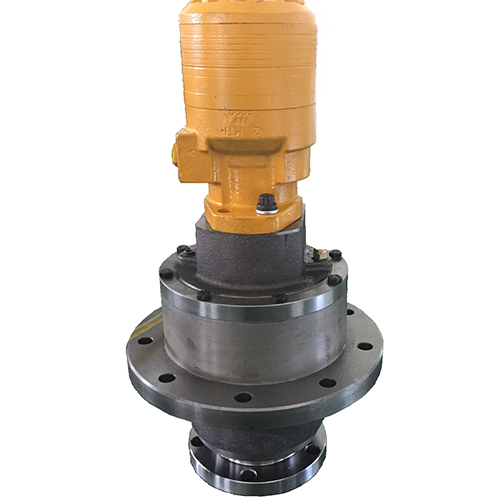
Planetary gear reducers are the workhorses of industrial motion control, powering everything from CNC machines and robotic arms to wind turbines and conveyor systems. Their ability to deliver high torque, precision, and compact design makes them indispensable in modern manufacturing and automation. Yet, many plant managers and maintenance teams struggle with premature failure of planetary gear reducers, leading to unplanned downtime, costly replacements, and lost productivity. The good news is that with proper care, maintenance, and strategic use, you can significantly extend the service life of your planetary gear reducers—often by 50% or more. In this guide, we’ll break down practical, actionable steps to keep your planetary gear reducers running smoothly for years to come, tailored to the needs of maintenance professionals and industrial operators.
Planetary gear reducers are the workhorses of industrial motion control, powering everything from CNC machines and robotic arms to wind turbines and conveyor systems. Their ability to deliver high torque, precision, and compact design makes them indispensable in modern manufacturing and automation. Yet, many plant managers and maintenance teams struggle with premature failure of planetary gear reducers, leading to unplanned downtime, costly replacements, and lost productivity. The good news is that with proper care, maintenance, and strategic use, you can significantly extend the service life of your planetary gear reducers—often by 50% or more. In this guide, we’ll break down practical, actionable steps to keep your planetary gear reducers running smoothly for years to come, tailored to the needs of maintenance professionals and industrial operators.
1. Start with Proper Installation: The Foundation of Longevity
The single most important step to extend the service life of planetary gear reducers is ensuring correct installation. Many premature failures can be traced back to misalignment, improper mounting, or careless handling during setup. Here’s what you need to do:
First, verify that the mounting surface is flat, clean, and rigid. A uneven or flexible base will cause vibration during operation, which puts extra stress on the gears and bearings of your planetary gear reducers. Use a laser alignment tool to ensure the input and output shafts are perfectly aligned—even a small misalignment (more than 0.1mm) can lead to uneven wear, noise, and premature failure. Avoid using hammer blows or brute force to attach the reducer to the motor or driven equipment, as this can damage internal components like bearings or gear teeth.
Additionally, ensure all mounting bolts are tightened to the manufacturer’s recommended torque specifications. Loose bolts can cause shifting and misalignment during operation, creating unnecessary stress on the planetary gear reducers. It’s also important to check the fit between the motor shaft and the reducer’s input bore—too tight a fit can damage the bearing, while too loose can cause slippage and wear. Finally, remove any shipping plugs or protective covers before operation, and ensure the reducer is mounted in a position that allows for proper ventilation and access for maintenance.
2. Master Lubrication: The Lifeblood of Planetary Gear Reducers
Lubrication is non-negotiable when it comes to extending the service life of planetary gear reducers. The right lubricant reduces friction between moving parts, dissipates heat, and prevents corrosion—all critical for protecting the gears and bearings. Yet, many operators make the mistake of using the wrong lubricant, skipping oil changes, or ignoring oil level checks.
Start by choosing the correct lubricant for your application. Most planetary gear reducers require high-quality industrial gear oil with an ISO VG viscosity rating between 150 and 320, and an API GL-5 performance rating for heavy-load, high-stress applications. For extreme temperatures (either hot or cold), synthetic lubricants are recommended, as they offer better thermal stability and resistance to oxidation compared to mineral oils. Always refer to the manufacturer’s guidelines—using the wrong lubricant can void warranties and lead to rapid wear.
Next, establish a regular lubrication schedule. For most industrial applications, planetary gear reducers should have their oil changed every 6,000 to 8,000 operating hours. However, if your reducer is operating in harsh conditions—high temperatures, heavy loads, or dusty environments—you may need to shorten this interval to 4,000 hours or less. Regularly check the oil level using the reducer’s sight glass or dipstick, and top it off as needed. Low oil levels can cause metal-to-metal contact, while overfilling can lead to overheating and oil leakage.
It’s also important to inspect the oil for signs of contamination or degradation. If the oil appears dark, cloudy, or has a burnt smell, it’s time to change it. Contaminants like dirt, metal shavings, or water can damage the internal components of your planetary gear reducers, so ensure the oil fill and drain ports are clean before opening them. Consider using a magnetic drain plug to catch metal particles, which can indicate early gear or bearing wear.
3. Avoid Overload: Operate Within Design Limits
Planetary gear reducers are designed to handle specific torque and speed limits, and operating them beyond these limits is a surefire way to shorten their service life. Overloading can cause gear tooth fatigue, bearing damage, and even complete failure. To avoid this, you need to understand the load requirements of your application and select the right planetary gear reducer for the job.
When selecting a reducer, always factor in a safety margin of 20-30% above the maximum expected load. This ensures that the reducer isn’t operating at its peak capacity continuously, which reduces stress and extends its lifespan. If your application involves frequent start-stop cycles or shock loads (common in robotics or material handling), choose a planetary gear reducer with a higher torque rating and robust construction to handle these demands.
It’s also important to monitor the operating conditions of your planetary gear reducers regularly. Use temperature sensors, vibration monitors, or noise detectors to identify signs of overload. If the reducer becomes excessively hot (above 70°C), vibrates abnormally, or makes unusual noises (such as grinding or whining), it may be overloaded. In such cases, reduce the load, check for misalignment, or upgrade to a larger reducer that can handle the application’s requirements.
4. Routine Maintenance: Catch Problems Early
Preventive maintenance is key to extending the service life of planetary gear reducers. By catching small issues before they escalate into major problems, you can avoid costly repairs and unplanned downtime. Establish a regular maintenance schedule that includes the following tasks:
- Visual Inspections: Check the reducer for signs of oil leakage, corrosion, or damage to the housing. Look for loose bolts, worn seals, or any other visible issues that could affect performance.
- Oil Analysis: Periodically test the lubricating oil to check for contamination, viscosity changes, or metal particles. This can help you identify early signs of gear or bearing wear before they cause failure.
- Bearing Checks: Use a vibration meter or thermal imaging tool to check the temperature and vibration of the bearings. Overheating or excessive vibration can indicate bearing wear, which should be addressed immediately.
- Seal Inspection: Check the input and output seals for signs of wear or leakage. Damaged seals can allow dirt, water, or other contaminants to enter the reducer, causing internal damage.
- Cleaning: Keep the exterior of the planetary gear reducer clean and free of dirt, dust, and debris. A clean reducer dissipates heat more effectively and is easier to inspect for issues.
It’s also important to keep detailed maintenance records. Document oil changes, inspections, repairs, and any issues you encounter. This can help you identify patterns, predict maintenance needs, and ensure that your planetary gear reducers are always operating at their best.
5. Protect Against Environmental Factors
Environmental conditions can have a significant impact on the service life of planetary gear reducers. Dust, moisture, extreme temperatures, and corrosive substances can all damage internal components and shorten the reducer’s lifespan. Here’s how to protect your planetary gear reducers from these factors:
For outdoor or dusty environments, use a reducer with an IP (Ingress Protection) rating of IP65 or higher. This ensures that the reducer is protected against dust, water, and other contaminants. If the reducer is exposed to extreme temperatures, consider adding a heat sink or cooling fan to prevent overheating. In cold environments, use a low-temperature lubricant to ensure proper performance.
If your planetary gear reducers are operating in corrosive environments (such as chemical plants or marine applications), choose a reducer with a corrosion-resistant coating or housing (e.g., stainless steel or aluminum alloy). Regularly clean the reducer to remove any corrosive substances, and inspect the seals to ensure they’re intact.
6. Train Your Team: Proper Operation and Care
Even the best planetary gear reducers will fail prematurely if they’re not operated and maintained correctly. Ensure that your maintenance team and operators are properly trained on the care and operation of your planetary gear reducers. They should understand how to check oil levels, perform visual inspections, identify signs of trouble, and follow the manufacturer’s guidelines for installation and maintenance.
Train your team to recognize common warning signs, such as unusual noise, vibration, or overheating, and to report these issues immediately. Encourage them to follow the maintenance schedule and to document any problems they encounter. By empowering your team with the knowledge and tools they need, you can ensure that your planetary gear reducers are always in good hands.
Final Thoughts: A Long-Term Investment in Care
Extending the service life of planetary gear reducers isn’t about expensive upgrades or complex repairs—it’s about consistent, proactive care. By following the steps outlined in this guide—proper installation, correct lubrication, avoiding overload, routine maintenance, environmental protection, and team training—you can significantly reduce downtime, lower replacement costs, and maximize the value of your planetary gear reducers.
Remember, every planetary gear reducer is an investment, and like any investment, it requires care to deliver long-term returns. By making these practices a part of your regular maintenance routine, you can keep your planetary gear reducers running smoothly for years to come, ensuring that your operations remain efficient and productive.
Related News
- CNC Machining Castings: Machining Allowance, Datums and Defects
- CCMS Industrial Delivers Precision CNC Parts for Advanced Automation Equipment Applications
- CNC Machining Design Guide: Make Parts Easier to Quote and Produce
- How to Select the Right Centerless Grinder for Your Precision Machining Shop
- How High-Torque Gearboxes Improve Uptime for Excavator and Drilling Fleet Operations
- CNC Machining Surface Finishes: How to Specify Texture and Treatment
Leave me a message