
How to Choose the Right Centerless Grinding Machine for Your Workshop
For machine shops, fabrication facilities, and precision component manufacturers, investing in a centerless grinding machine is one of the most valuable long-term decisions you can make.
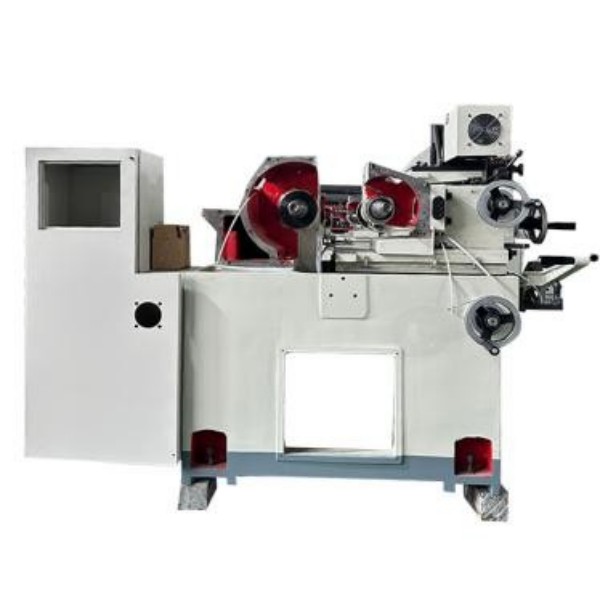
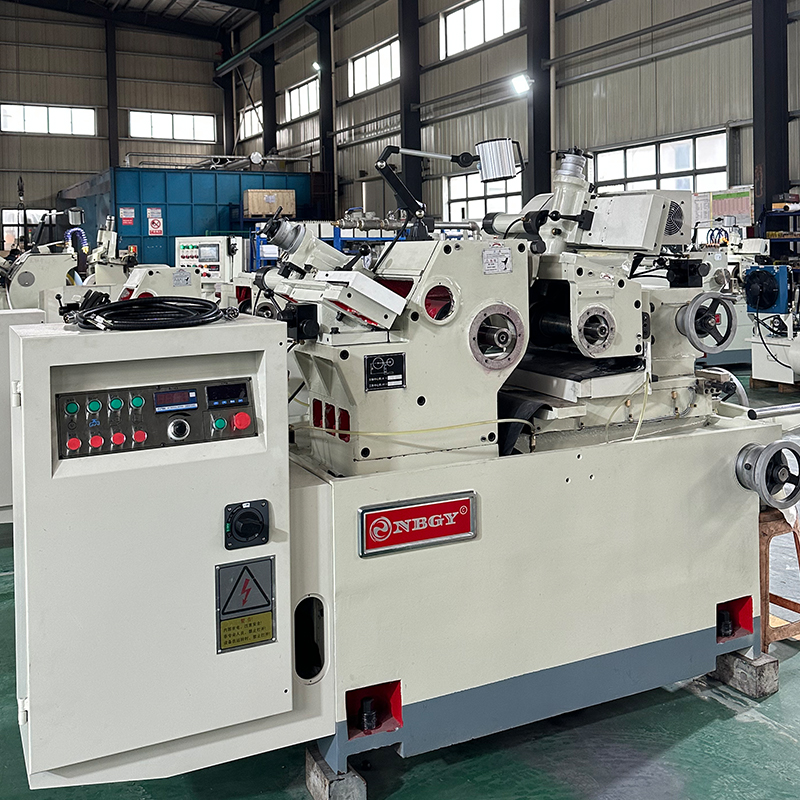
Unlike traditional cylindrical grinders that require clamping and precise centering of every workpiece, a centerless grinding machine holds parts on a work rest blade and uses a regulating wheel to control rotation and feed speed. This unique structure enables continuous mass production, faster cycle times, and outstanding consistency for small shafts, pins, round tubes, bolts, and various round bar stock.
Even so, many workshop owners either overspend on overly advanced models or settle for a low-spec centerless grinding machine that cannot keep up with daily production demands. Selecting the right centerless grinding machine is never only about budget; it is about matching machine performance to your workpiece size, material hardness, tolerance requirements, output volume, and future business expansion.
This practical buyer’s guide covers all critical factors step by step, helping you pick the most suitable centerless grinding machine that fits your workshop layout, production needs, and long-term operation goals.
1. Clarify Your Workpiece Specifications First
Before comparing any brand or model, you must define the basic parameters of the parts you plan to process on your centerless grinding machine. This is the core foundation of your entire selection process.
First, confirm the diameter range of your workpieces. Different centerless grinding machine models are designed for specific minimum and maximum grinding diameters. If your main products are tiny precision pins and micro shafts, a compact desktop centerless grinder is enough. If your workshop handles large-diameter pipes, thick round bars and heavy industrial shafts, you need a heavy-duty centerless grinding machine with larger through-feed capacity and reinforced frame rigidity.
Next, consider workpiece length. Some centerless grinding machine designs are optimized for short blank parts, while others support long bar feeding for uninterrupted through-feed grinding. Ignoring length limits will easily cause feeding jams, unstable running and poor surface finish after installation.
You also need to sort out common processing materials, such as carbon steel, alloy steel, stainless steel, brass, copper, and hardened tool steel. Harder raw materials require a rigid centerless grinding machine with stable spindle performance and matched grinding wheel hardness to avoid vibration traces, grinding burns and excessive wheel wear.
2. Confirm Through-Feed or Infeed Grinding Application
A common mistake many buyers make is purchasing a centerless grinding machine without clarifying their grinding method. There are two mainstream working modes, and your daily production type will directly determine the configuration you need.
Through-Feed Grinding for Mass Cylindrical Parts
Through-feed grinding is perfect for straight cylindrical workpieces with uniform diameter. Parts pass smoothly between the grinding wheel and regulating wheel without repeated positioning. It is widely used for mass production of bolts, screws, piston pins and seamless tubes. If your workshop focuses on high-volume repetitive orders, prioritize a centerless grinding machine optimized for stable through-feed operation.
Infeed Grinding for Special-Shaped Workpieces
Infeed grinding, also called plunge grinding, is suitable for parts with shoulders, grooves, steps and irregular profiles. The workpiece is fixed in place for forming grinding without passing through the machine. This mode is commonly applied to automotive parts, hydraulic pins and customized precision components.
Many modern centerless grinding machine models support both modes. If you often mix different types of parts, choosing a dual-purpose model will bring much higher flexibility and utilization rate.
3. Match Precision and Tolerance to Your Industry Standard
Different workshops have completely different tolerance standards, and your selected centerless grinding machine must meet your quality requirements.
General mechanical maintenance workshops only need standard dimensional accuracy and ordinary surface finish. By contrast, aerospace, medical equipment and hydraulic parts manufacturers require micron-level roundness, cylindricity and mirror surface effect. A high-precision centerless grinding machine adopts high-grade bearing configuration, thick cast iron frame, fine-tunable wheel angle and precise feeding structure to maintain consistent tight tolerance in batch production.
Always check official technical parameters: roundness error, Ra surface roughness and dimensional repeatability. Do not choose entry-level low-end models if your customers have strict quality standards, otherwise rework rates and product returns will seriously affect your workshop reputation.
4. Decide Between Manual and CNC Centerless Grinding Machine
Another key decision is choosing a traditional manual centerless grinder or a CNC centerless grinding machine, based on your workshop labor cost and production scale.
Manual centerless grinding machine features lower price, simple operation and easy adjustment for skilled workers. It is very suitable for small-batch customization, sample processing and job shops with frequent product changes. Its mechanical structure is simple, with low daily failure rate and maintenance cost.
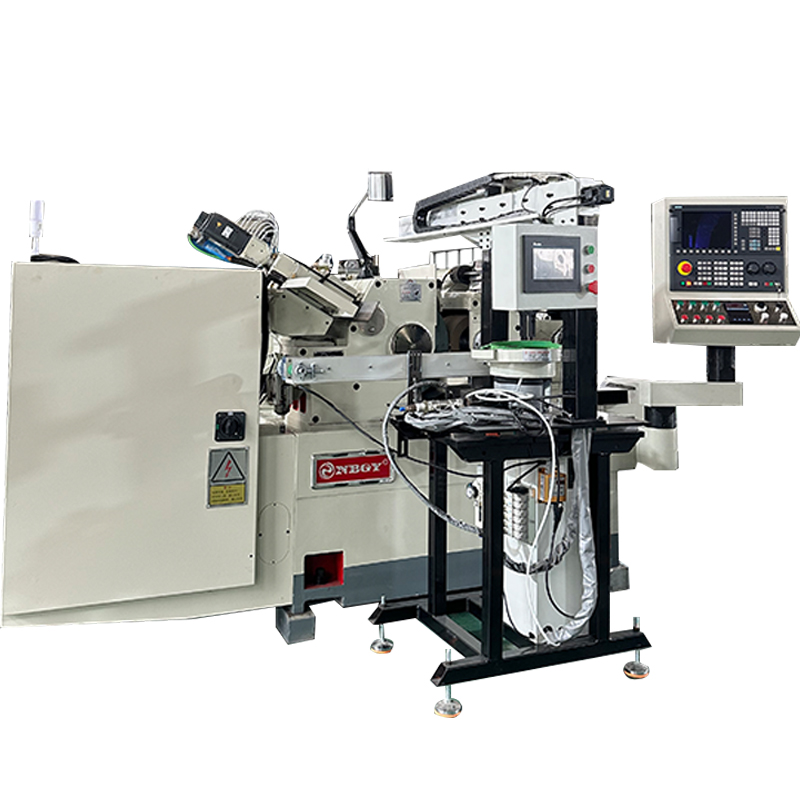
A CNC centerless grinding machine supports automatic feeding, programmable wheel dressing, digital precise positioning and long-time unmanned operation. It is the best choice for large-scale mass production, high-precision batch processing and workshops facing labor shortages. Although the initial investment is higher, a CNC centerless grinding machine reduces dependence on senior operators, lowers manual errors and greatly improves daily output efficiency.
If your business is expanding steadily and you plan to take more large orders in the future, investing early in a CNC centerless grinding machine can avoid secondary equipment upgrading in a short time.
5. Evaluate Production Volume and Working Cycle Time
Your daily output target directly decides the grade and configuration of the centerless grinding machine you should buy.
For low-volume sporadic orders and small-batch processing, a standard ordinary centerless grinding machine with manual feeding is fully capable. It saves workshop floor space, reduces power consumption and controls initial investment reasonably.
For medium and high-volume production lines, you need an upgraded centerless grinding machine with larger grinding wheel size, higher power motor and optional automatic feeding and unloading accessories. A well-configured model can run stably for a long time without overheating or performance attenuation.
Never deliberately choose a low-spec model just to save cost. A centerless grinding machine running under overload for a long time will accelerate aging, cause frequent breakdowns and unplanned downtime, which costs far more than buying the right model at the beginning.
6. Check Frame Rigidity, Motor Power and Structural Design
The service life and stability of a centerless grinding machine largely depend on frame material, overall structure and motor configuration.
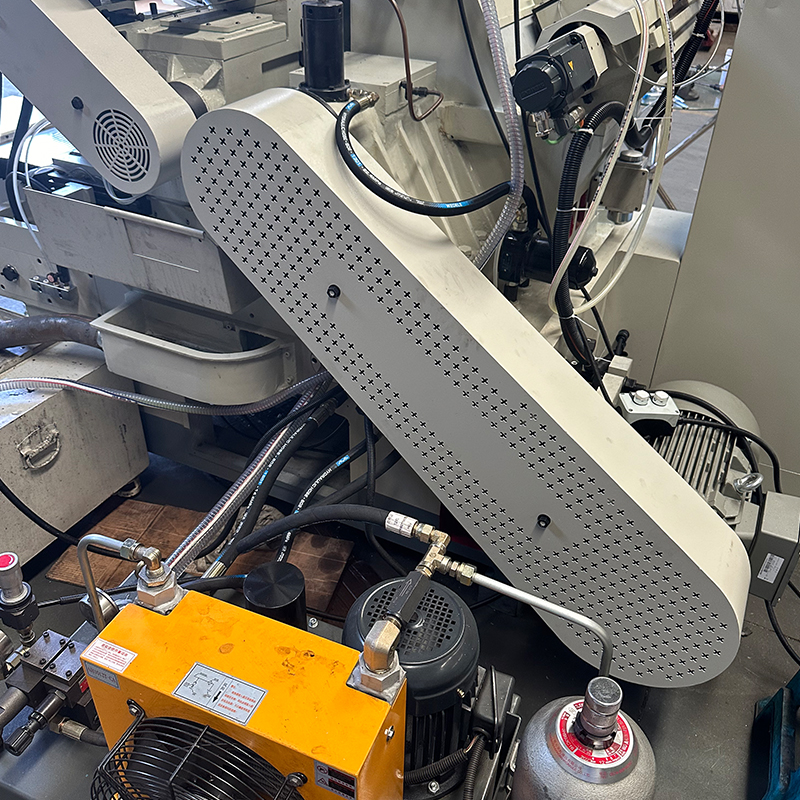
High-quality centerless grinding machine adopts heavy-duty cast iron frame to absorb vibration effectively. Vibration is the biggest enemy of grinding quality; excessive vibration will produce chatter marks, poor roundness and shorten the service life of grinding wheels. Avoid lightweight welded frame models if you process hard materials or keep long daily working hours.
Motor power cannot be ignored either. An underpowered motor cannot bear continuous grinding of hardened steel, resulting in slow processing speed, surface burning and frequent overload shutdown. Make sure the motor power matches your conventional workpiece size and material hardness.
Meanwhile, pay attention to the regulating wheel adjustment range, rest blade material and convenience of wheel dressing. A well-designed centerless grinding machine allows quick setup, simple parameter adjustment and easy daily maintenance for operators.
7. Value After-Sales Support and Spare Parts Supply
Most buyers only compare price while ignoring after-sales service when purchasing a centerless grinding machine, which is a hidden risk for long-term production.
A reliable supplier should provide installation guidance, operator technical training, complete operation manuals and stable supply of common spare parts, including grinding wheels, regulating wheels, rest blades, bearings and fasteners. As a long-term core equipment of the workshop, a centerless grinding machine will cause long production stops if spare parts are difficult to purchase or technical support is delayed.
Take time to learn about the supplier’s market reputation, real customer feedback and overseas service capability. Reasonable price plus perfect after-sales support is always wiser than the lowest price with no follow-up service.
Conclusion
Choosing the right centerless grinding machine for your workshop does not need to be complicated.
Start by sorting out your workpiece size, material property, precision standard and daily production volume. Then confirm whether you need through-feed or infeed function, manual or CNC type, standard or high-precision version. Focus on frame rigidity, motor performance and long-term after-sales support, instead of only focusing on the lowest quotation.
When you match your actual production demands with the correct centerless grinding machine specification, you will gain stable part quality, higher productivity, lower maintenance cost and better profit margin. A properly selected centerless grinding machine is not only a processing device, but also a reliable investment that grows together with your workshop business.
Related News
- CNC Machining Castings: Machining Allowance, Datums and Defects
- CCMS Industrial Delivers Precision CNC Parts for Advanced Automation Equipment Applications
- CNC Machining Design Guide: Make Parts Easier to Quote and Produce
- How to Select the Right Centerless Grinder for Your Precision Machining Shop
- How High-Torque Gearboxes Improve Uptime for Excavator and Drilling Fleet Operations
- CNC Machining Surface Finishes: How to Specify Texture and Treatment
Leave me a message