
How to Choose the Right Auger Drive: A Complete Guide for Contractors
If you’re in construction, landscaping, or any industry that requires digging holes—whether for fence posts, tree planting, foundation piles, or utility poles—you know that an auger drive is one of the most essential tools in your fleet. But with so many options on the market, choosing the right auger drive can feel overwhelming. Do you go with a planetary gear auger drive or a chain-reduction model? What size torque do you need for rocky soil versus soft dirt? And how do you make sure your auger drive is compatible with your skid steer, excavator, or other carrier machine? This guide breaks down everything you need to know to choose the perfect auger drive for your needs, so you can work more efficiently, reduce downtime, and get the job done right the first time.
An auger drive is more than just a “drill for the ground”—it’s a precision tool that converts hydraulic power from your carrier machine into rotational force, allowing you to dig clean, consistent holes quickly and with minimal effort. The right auger drive will match your machine’s capabilities, your project’s demands, and the soil conditions you’re working in. The wrong one? It can lead to broken parts, slow progress, and unnecessary expenses. Let’s dive into the key factors that will help you make the best decision.
1. Understand Your Carrier Machine’s Compatibility
The first and most critical step in choosing an auger drive is ensuring it’s compatible with your carrier machine—whether that’s a skid steer, mini excavator, full-size excavator, or backhoe. Auger drives are not one-size-fits-all, and using an incompatible model can damage both your machine and the auger drive itself. Here’s what to check:
Hydraulic Flow and Pressure Requirements
Nearly all modern auger drives are hydraulically powered, which means they rely on your carrier machine’s hydraulic system to operate. The two key specs to match are hydraulic flow (measured in gallons per minute, GPM) and pressure (measured in pounds per square inch, PSI). Every auger drive has a recommended flow and pressure range, and your machine must fall within that range to ensure optimal performance. For example, a small mini excavator with a flow rate of 10-20 GPM will need a compact auger drive designed for low flow, while a large excavator with 30-60 GPM can handle a heavy-duty auger drive with higher torque.If your machine’s flow is too low, the auger drive will spin too slowly, reducing efficiency and potentially stalling when drilling through tough soil. If the flow is too high, you risk overheating the hydraulic system or damaging the auger drive’s motor. Always check your machine’s owner’s manual for its hydraulic specs, and match them to the auger drive’s requirements. Most reputable auger drive manufacturers list these specs prominently, making it easy to find a compatible model.
Mounting System Compatibility
Auger drives attach to your carrier machine via a mounting system, and the type of mount must match your machine’s setup. The most common mounting systems include quick-attach plates (standard on most skid steers and mini excavators) and pin-on mounts (more common on larger excavators). Some auger drives also come with universal mounts that can adapt to multiple machine types, but it’s always best to choose a mount specifically designed for your equipment to ensure a secure, stable connection.
Additionally, you’ll need to check the weight capacity of your machine. Auger drives vary in weight—from lightweight models under 100 pounds for mini skid steers to heavy-duty units over 1,000 pounds for large excavators. If your machine can’t safely lift or support the auger drive’s weight, you’ll face stability issues during operation, which can be dangerous and damaging.
2. Match the Auger Drive to Your Project Needs
Once you’ve confirmed compatibility with your carrier machine, the next step is to match the auger drive to the specific jobs you’ll be doing. The size, torque, and speed of the auger drive should align with the hole diameter, depth, and soil conditions you’ll encounter. Here’s how to break it down:
Hole Diameter and Depth
The size of the holes you need to dig is one of the biggest factors in choosing an auger drive. For small jobs like planting trees or installing fence posts (holes 6-12 inches in diameter), a light-duty auger drive with moderate torque will suffice. For larger jobs like foundation piles or utility poles (holes 18 inches or more in diameter), you’ll need a heavy-duty auger drive with high torque to handle the increased load.
Depth is another key consideration. If you’re digging shallow holes (2-4 feet deep), a standard auger drive will work. For deeper holes (6 feet or more), you’ll need an auger drive with a longer output shaft or the ability to add extensions. Some auger drives are designed specifically for deep drilling, with reinforced shafts and gearboxes to handle the extra stress of extended operation.
Soil Conditions
The type of soil you’ll be drilling through has a huge impact on the auger drive you choose. Different soil types require different levels of torque and speed, so it’s important to assess your job site before making a purchase. Here’s a quick guide to soil types and the best auger drive for each:
Soft Soil (Sand, Loam, Topsoil): Soft soil is easy to drill through, so you can opt for an auger drive with higher speed and moderate torque. A planetary gear auger drive works well here, as it offers smooth operation and efficient drilling. You’ll get faster hole completion without sacrificing quality.
Clay and Compacted Soil: Clay and compacted soil are denser, requiring more torque to break through. Look for an auger drive with high torque and lower speed—this will give you the power you need to penetrate the soil without stalling. A chain-reduction auger drive can be a good choice here, as it’s built for heavy-duty applications and can handle the extra resistance.
Rocky Soil or Frozen Ground: Drilling through rock or frozen ground is the most demanding task for an auger drive. You’ll need a heavy-duty model with extremely high torque (10,000+ ft-lbs) and a durable gearbox. Many auger drives designed for rocky soil also come with features like reversible rotation, which helps clear debris and prevent jamming. You’ll also want to pair the auger drive with a rock auger bit (with carbide teeth) for maximum efficiency.
3. Choose the Right Auger Drive Type
There are two main types of auger drives on the market: planetary gear auger drives and chain-reduction auger drives. Each has its own strengths and weaknesses, so choosing the right type depends on your project needs and budget. Let’s compare them:
Planetary Gear Auger Drives
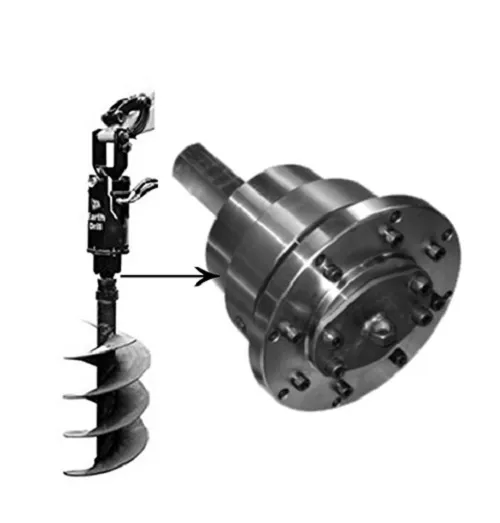
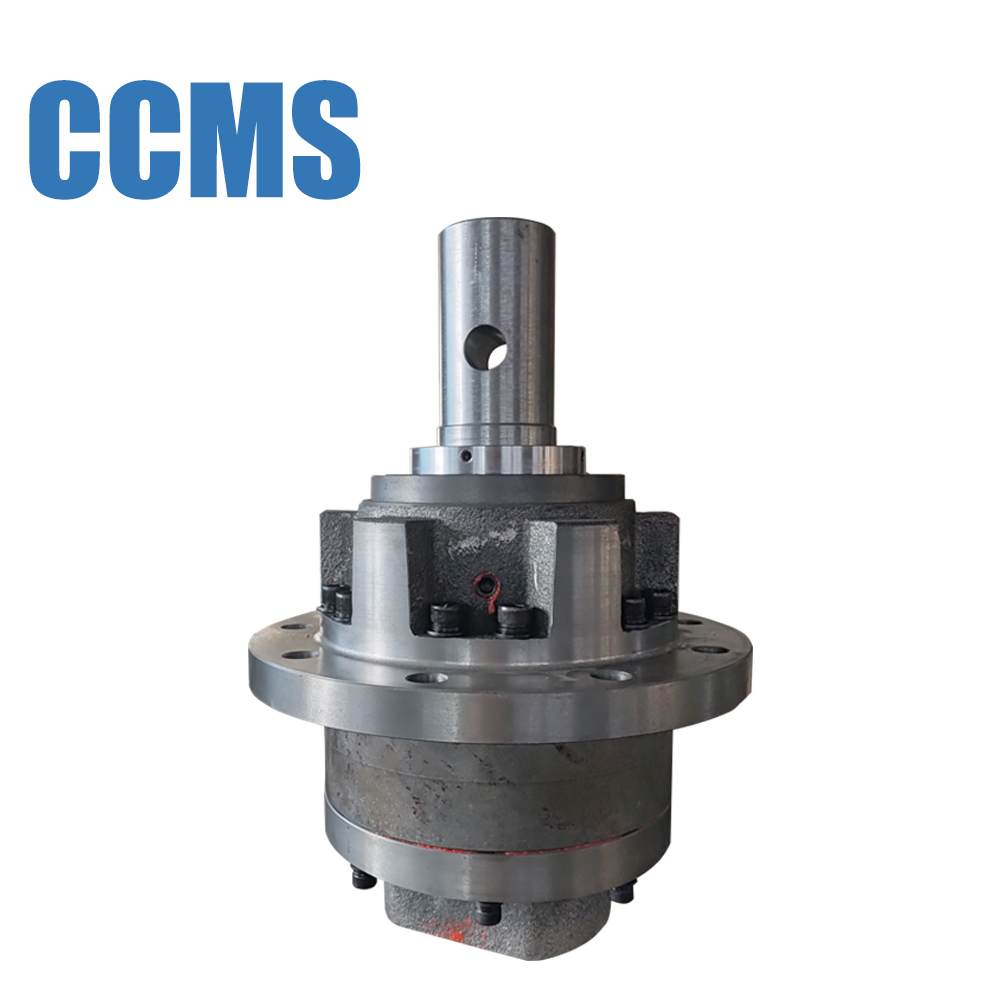
Planetary gear auger drives are the most common type used today, and for good reason. They use a system of gears (similar to those in a car transmission) to multiply torque while keeping the unit compact and lightweight. Here are the key benefits:
• Compact Design: Planetary gear auger drives are smaller and lighter than chain-reduction models, making them ideal for mini skid steers and small excavators where space is limited.
• Smooth Operation: The planetary gear system provides smooth, consistent torque, which reduces vibration and makes drilling more precise. This is especially important for jobs that require clean, straight holes.
• Durability: Planetary gearboxes are sealed, which protects them from dirt, debris, and moisture—extending the life of the auger drive. They also require less maintenance than chain-reduction models.
Planetary gear auger drives are best for light to medium-duty jobs, such as landscaping, fence installation, and small construction projects. They’re also a good choice if you’re working with soft to moderately compacted soil.
Chain-Reduction Auger Drives
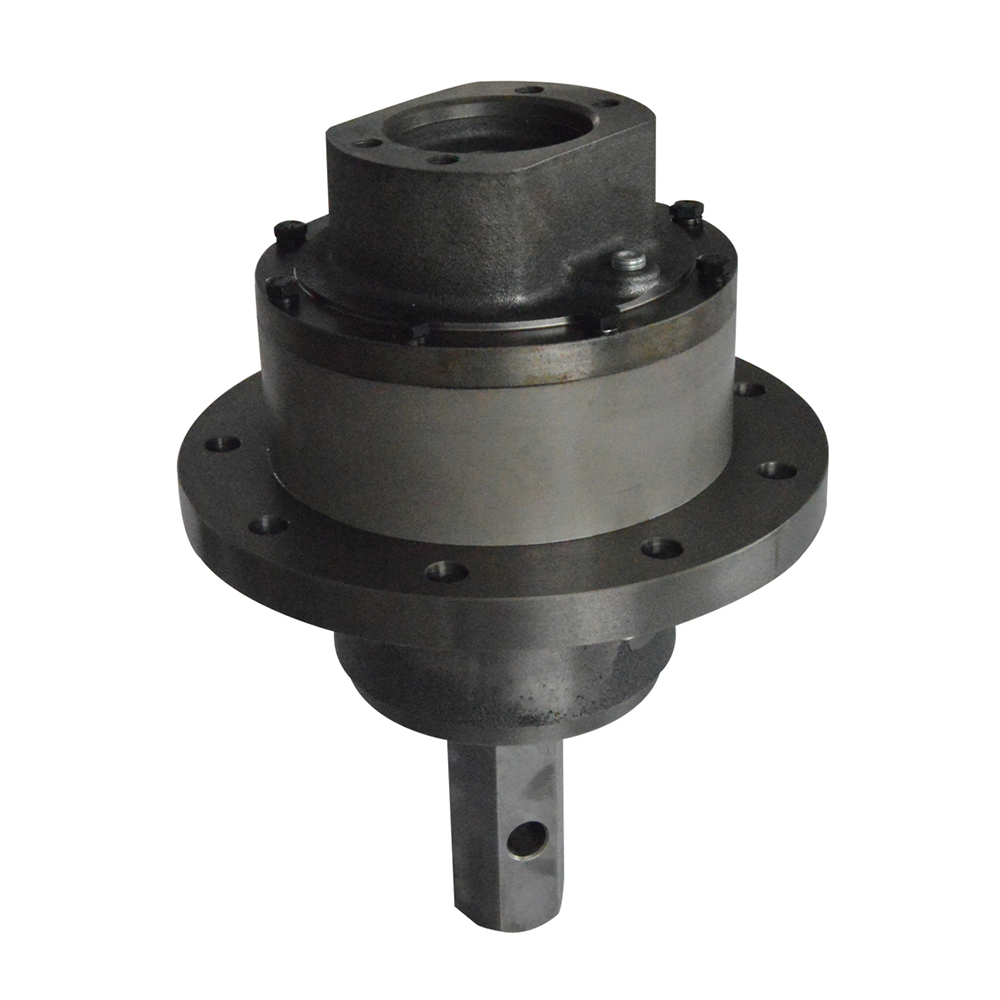
Chain-reduction auger drives use a chain and sprocket system to transfer power from the motor to the auger bit. They’re larger and heavier than planetary gear models, but they offer more torque for heavy-duty applications. Here are the key benefits:
• High Torque: Chain-reduction auger drives are designed for maximum torque, making them perfect for drilling through rocky soil, frozen ground, and compacted clay. They can handle larger auger bits and deeper holes with ease.
• Versatility: These auger drives are compatible with a wide range of carrier machines, from medium to large excavators. They’re also easier to repair than planetary gear models, as the chain and sprockets can be replaced without disassembling the entire unit.
The main downside of chain-reduction auger drives is their size and weight—they’re not ideal for small machines. They also require more maintenance, as the chain needs to be lubricated and adjusted regularly to prevent wear and tear.
4. Consider Key Features for Longevity and Safety
When choosing an auger drive, it’s not just about compatibility and performance—you also want a unit that’s built to last and safe to operate. Here are some key features to look for:
Durable Construction
Look for an auger drive made from high-quality materials, such as heavy-duty steel for the gearbox and output shaft. A sealed gearbox is essential to protect internal components from dirt and moisture, which can cause premature failure. Some auger drives also come with reinforced housings to withstand impacts and heavy use on job sites.
Reversible Rotation
Reversible rotation is a must-have feature for any auger drive. It allows you to reverse the direction of the auger bit, which helps clear debris, unjam the bit from rocks or roots, and remove the auger from the hole easily. This feature saves time and reduces the risk of damaging the auger drive or carrier machine.
Safety Features
Safety should always be a top priority when operating heavy equipment. Look for auger drives with safety features like pressure relief valves (to prevent overloading the hydraulic system), guardrails (to protect operators from moving parts), and easy-to-reach controls (to allow for quick shutdown in case of an emergency). Additionally, some auger drives come with torque limiters, which prevent the unit from exceeding its maximum torque and causing damage..
Warranty and Support
A good warranty is a sign of a quality auger drive. Look for manufacturers that offer a warranty of at least 1-2 years on parts and labor. Additionally, choose a manufacturer with a strong customer support team—you’ll want to be able to get help quickly if you have questions or need repairs. Some manufacturers also offer replacement parts and maintenance services, which can save you time and money in the long run.
5. Set a Realistic Budget
Auger drives vary in price, depending on their size, torque, and features. Light-duty planetary gear models can cost as little as $1,500, while heavy-duty chain-reduction models can cost $5,000 or more. It’s important to set a realistic budget based on your project needs—don’t skimp on quality if you’re going to be using the auger drive frequently or for heavy-duty jobs. A cheaper, low-quality auger drive may save you money upfront, but it will likely break down sooner, leading to costly repairs and downtime.
If you’re on a tight budget, consider buying a used auger drive from a reputable dealer. Just make sure to inspect the unit thoroughly for wear and tear, and ask for maintenance records to ensure it’s been well-maintained. You can also rent an auger drive for short-term projects, which can be a cost-effective alternative to buying.
Conclusion: Choose Wisely for Long-Term Success
Choosing the right auger drive is a decision that will impact your productivity, safety, and bottom line. By following the steps in this guide—checking compatibility with your carrier machine, matching the auger drive to your project needs, choosing the right type, considering key features, and setting a realistic budget—you can find an auger drive that will serve you well for years to come.
Remember, the best auger drive is not the most expensive one or the one with the most features—it’s the one that fits your specific needs. Take the time to assess your job site, your machine, and your goals, and don’t hesitate to reach out to manufacturers or dealers for advice. With the right auger drive, you’ll be able to dig faster, more efficiently, and with less stress—no matter what the job throws at you.
Whether you’re a small landscaping business or a large construction company, investing in the right auger drive is an investment in your success. Don’t rush the decision—do your research, compare options, and choose a unit that you can rely on. Your crew, your machine, and your wallet will thank you.
Related News
- Planetary Gear Reducer Ratio Calculation & Load Capacity Explained
- Drilling Gearbox: Functions, Types, Key Features, Selection Guide, and Maintenance Tips
- The Core Power Transmission Pillar of Offshore Drilling Platforms
- Precision Machined Parts: The Unsung Backbone of Modern High-Performance Manufacturing
- Why Choose a Planetary Gear Reducer for High Torque?
- How to Choose the Right Centerless Grinder for Your Production Line
Leave me a message
New Products