
What are high-precision CNC machining parts?
High Precision CNC Machining Overview
High precision CNC machining is relies on computer numerical control (CNC) machining that create the metal components. Precision CNC machining is essentially subtractive processing. By writing commands through the CNC control system, the machine automatically uses metal cutting tools to remove the excess metal parts from the original work piece. Whether it is cast iron, stainless steel, or metal materials such as aluminum and copper, they can all be easily cut to achieve the finished product that the customer desires.
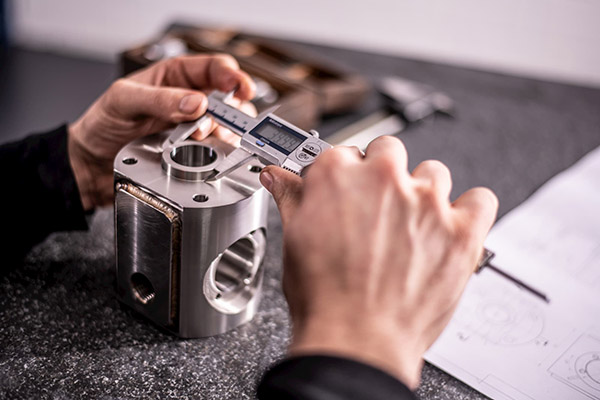
There are strictly tolerance and dimensional accuracy of each high precision CNC machining parts. In fact, they will be part of aerospace and automotive and other precision industries. Meanwhile, It needs ensuring the Min material waste, repeatability and high quality standards in the precision works.
High precision CNC machining is subtractive machining, which involves cutting off the excess parts from the raw materials to achieve the required complex geometric shapes. In this producing method, the automated machine tools are guided by pre-programmed software instructions, enabling the complex cnc machining parts be produced with high standard dimensional accuracy and tight tolerance.
Function of High Precision CNC Machining Parts
Based on computer numerical control system, converting digital designs into machine movements is the primary function of high precision CNC machining. Conventional CNC machines, such as milling machine and CNC lathes, they operate with G-code derived from CAD files, and its performance features are repeatability and high precision.
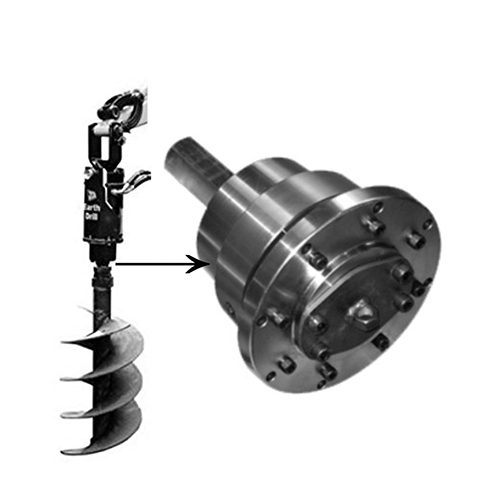
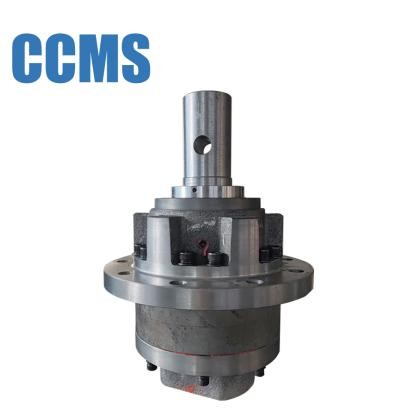
Parts produced by CNC machining, ranging from simple bracket parts to complex geometric precision parts, all have very high tolerance requirements and performance requirements, such as aircraft blades in the aerospace industry and engine parts in the locomotive industry.
Complete High-Precision CNC Machining Process for Parts
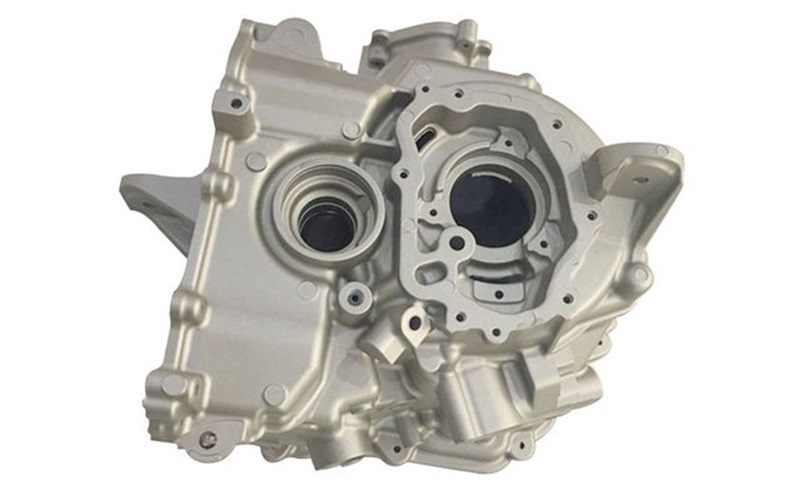
High-precision CNC machined parts can have holes, slots, features and different surface finishes, but all of these must be of high precision and strictly meet the tolerance requirements.
Precision CNC machining of parts involves a series of engineering stages, from product design to finished product inspection. Every link is of vital importance, and each step must strictly control the tolerance of the parts and the surface condition requirements of the products. For factories engaged in this industry, it is very important to recruit high-level mechanical manufacturing technicians, which will help you achieve the highest efficiency in precision processing.
Step 1: Design the Parts (Make CAD Drawings)
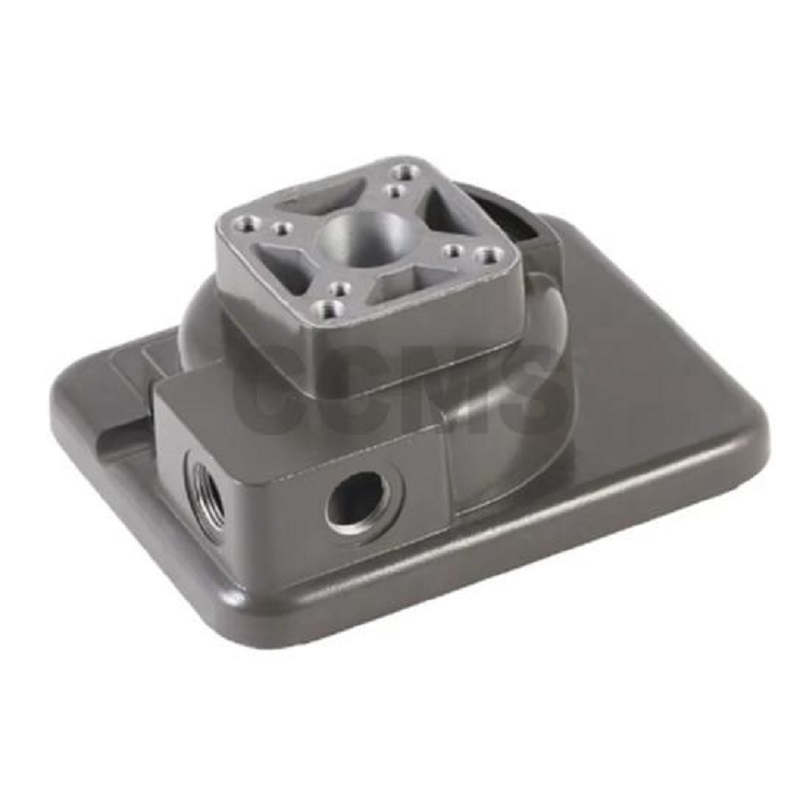
CNC metal processing parts must be processed by drawing CAD drawings and then copying them into the machine tool system.
This process begins with CAD modeling, where engineers use software such as Autodesk Fusion or SolidWorks to prepare detailed digital representations of the parts. In this step, define the geometry, including tapping holes, complex geometers or sharp edges, while taking into account the material properties and load requirements.
Step 2: Convert CAD to CAM
After the CAD drawing is completed, the model needs to be transferred to the CAM software, where tool paths can be generated. Considering the multi-axis function of the machine tool and to avoid collisions, this operation is to generate an optimal path for the cutting tool.
To maintain strict tolerance requirements and minimize material waste to the greatest extent, the CAM algorithm simulates the machining process and calculates the appropriate feed rate and spindle speed.
Because CNC machining essentially converts design intentions into work codes (G-codes), and CNC machines accurately move to where for processing through commands, this is very important for customizing high precision CNC machined parts.
Step 3: Prepare the Machine Tool and Carry Out the Setting, Debugging and Calibration Work
Machine calibration involves a series of tasks, including fixing the bed, installing the appropriate cutting tools, and then performing axis calibration to ensure accuracy. Calibrate with the probe to ensure that the maximum deviation is within the accuracy tolerance range.
At this stage, a highly skilled technician is needed to prepare fixtures for production to achieve seamless transitions between multiple parts in batches.
Step 4: Preparing the Right Material as to the Drawing
At this step, you need to prepare different materials because mechanical processing often has the demand for parts made of other materials. Of course, you should prepare the materials first after receiving the order.
Customers usually specify in the drawings they send which materials are needed for production, such as 45# steel, stainless steel, alloy steel, aluminum and other materials. These are all relatively easy to purchase on the market.
Step 5: Selecting Cutting Tools and Parameters
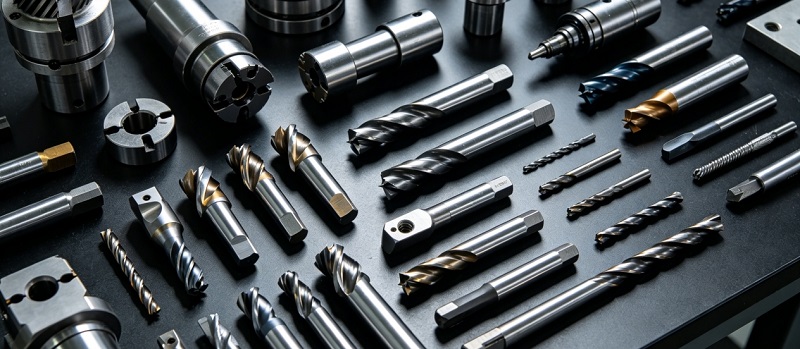
There are a wide variety of cutting tools available on the market for you to choose from, such as end mills made of high-speed steel or cemented carbide. The selection depends on the material and the operation process. Different materials and hardness levels are processed with corresponding tools. This not only ensures the quality and tolerance of CNC machined parts but also prevents the tools from being damaged prematurely.
These cutting parameters are further optimized under CAM simulation to help maintain tight tolerances under conditions of continuous tool engagement. The geometry of the rake angle tool facilitates chip removal, thereby limiting material waste.
Step 6: CNC Machining the Parts
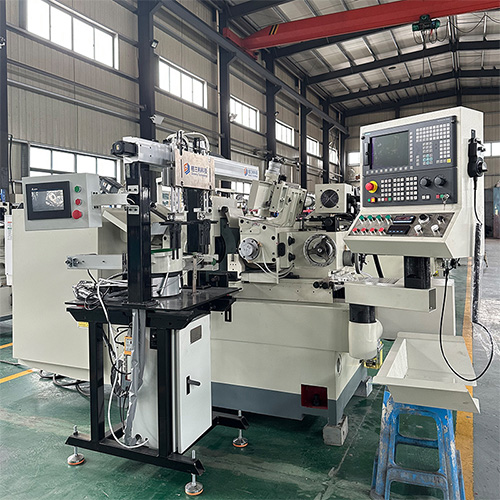
CNC turning rotates a workpiece to a cylindrical feature worked by a fixed tool, while CNC milling removes material from a flat or contoured surface with a rotating tool. The use of coolant reduces heat buildup, thus maintaining precise tolerances in mass production.
For instance, gears or casings, as well as some parts that are prone to abnormal processing, technicians can make these adjustments in real time based on their skills, thus enabling consistent processing of complex parts.
After this step of metal cutting and milling is completed, the product still needs further structural drilling, tapping and deburring to prepare for component assembly or shipment.
Step 7: Surface Treatment Operations
After numerical control processing, metal parts need further surface treatment work, which can improve the surface finish and performance of the parts. Deburring removes sharp edges. There are some processes such as powder coating, laser engraving, anodizing, heat treatment, etc. They can make the products more corrosion-resistant, enhance wear resistance and increase the hardness of the products.
The surface roughness of CNC Machining Parts is Ra1.6 microns or less in length. Meanwhile, chemical coatings can be applied to enhance the protection of the products.
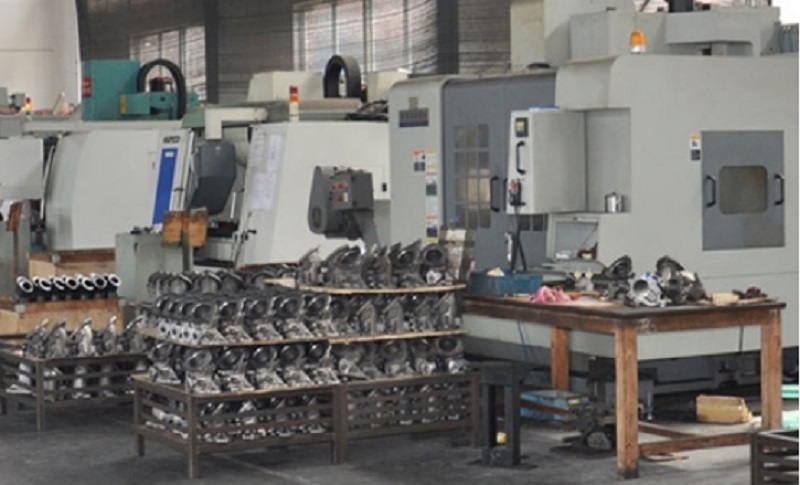
What Types of CNC Machined Parts Can Be Produced by CNC Milling?
1. Planar Parts
The most basic type, with simple geometries (horizontal, vertical, or inclined planes, no complex curves). Examples include covers, base plates, flanges, and panels, processed by 2-axis or 3-axis machines for high flatness and accuracy.
2. Curved Surface Parts
Components with complex 3D curved surfaces, such as mold cavities, blades, impellers, and arc-shaped housings. Processed by 3-axis, 4-axis, or 5-axis milling for high precision, widely used in mold and aerospace industries.
3. Groove and Hole System Parts
Parts with various grooves (keyways, T-slots, dovetail slots) and holes (positioning holes, through holes). Essential for assembly and positioning, with strict requirements on precision and position.
4. Box Parts
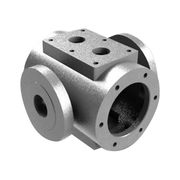
Complex multi-faceted, multi-hole components like reducer housings, pump bodies, and valve blocks. CNC milling completes multi-surface processing in one clamping, reducing errors.
5. Other Common Types
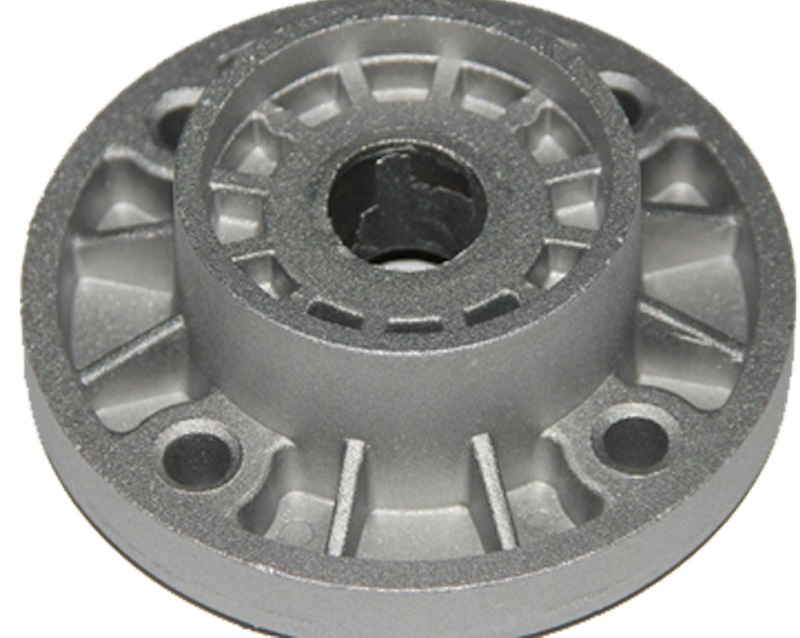
Special-shaped parts (cams, special brackets), disc and sleeve parts (gear blanks, pulleys), and complex polyhedron parts (aerospace structural parts) are also efficiently processed by CNC milling, with multi-axis machines handling high-end, complex needs.
Conclusion
As the fundamental unit of modern industry, machined parts support the efficient operation of various fields such as equipment manufacturing, automotive, aerospace, and electronic equipment with precise dimensions, stable performance and reliable quality. From simple structural components to high-precision core parts, every machined product embodies the comprehensive strength of technology, equipment and craftsmanship. With the continuous upgrading of intelligent manufacturing and precision processing technologies, machined parts will evolve toward higher precision, higher efficiency, lighter weight and customization, continuously providing solid support for industrial upgrading and technological innovation.
FAQ
Q1: Is your company a manufacturer or a trading company?
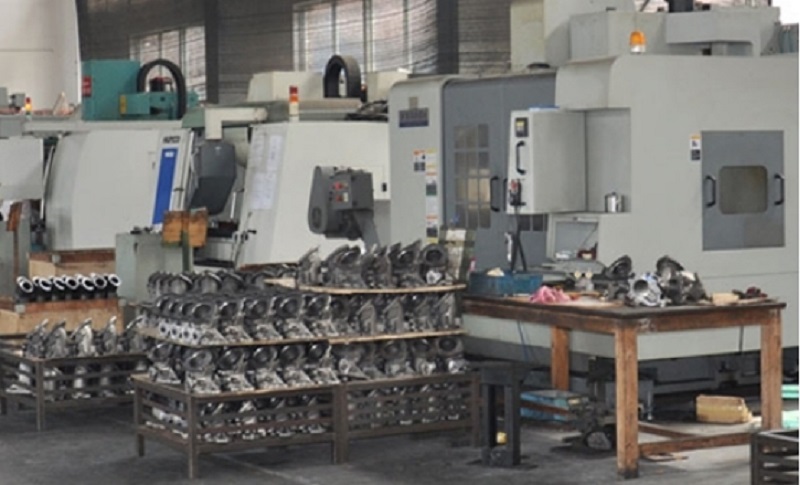
A: We are a direct manufacturer with a 4,000-square-meter production workshop and over 40 high-precision CNC machines.
Q2: What products does your company manufacture?
A: Engine brake valves, automotive parts, transmissions, cast iron parts, stainless steel parts, aluminum alloy parts, and fully customized products based on drawings.
Q3: What is the delivery time?
A: In-stock products are delivered within 10 days; customized products are delivered within 45 days.
Q4: Can your company provide samples?
A: Small free samples can be provided, with shipping costs borne by the customer.
Q5: What are your company's payment terms?
A: For orders under $10,000, full prepayment via wire transfer is required; for orders over $10,000, a 30% deposit is required, with the balance due before shipment.
Related News
- Planetary Gear Reducer Ratio Calculation & Load Capacity Explained
- Drilling Gearbox: Functions, Types, Key Features, Selection Guide, and Maintenance Tips
- The Core Power Transmission Pillar of Offshore Drilling Platforms
- Precision Machined Parts: The Unsung Backbone of Modern High-Performance Manufacturing
- Why Choose a Planetary Gear Reducer for High Torque?
- How to Choose the Right Centerless Grinder for Your Production Line
Leave me a message