
How Is Planetary Gear Reducer Boosting EV Torque Density?
Electric vehicle (EV) engineers constantly seek higher torque output without increasing motor size or weight. The answer lies in the planetary gear reducer – a compact, high‑efficiency reduction system that multiplies torque while fitting into tight drivetrains. But theoretical torque density (Nm/kg) is only half the story. Achieving real‑world gains requires micro‑precision manufacturing, where gear tooth errors are held below 0.01 mm. This article explains how the planetary gear reducer unlocks EV performance and why sourcing from a precision‑focused partner like CCMS eliminates common procurement pains.
Why Torque Density Defines Next‑Gen EV Powertrains
Torque density directly impacts acceleration, grade climbing, and energy efficiency. A higher torque density means:
- Lighter, smaller reducers – freeing space for batteries or cooling systems.
- Reduced unsprung mass – critical for wheel‑hub drive EVs, improving ride comfort.
- Lower motor current – extending range per charge.
The planetary gear reducer naturally excels: multiple planet gears share load, coaxial design saves axial length, and single‑stage ratios reach 10:1. However, these advantages vanish if manufacturing precision is poor. Excessive backlash or tooth profile errors can slash effective torque density by 30%–40% and introduce noise, vibration, and harshness (NVH) – unacceptable in premium EVs.
Key Pain Points in Sourcing a Planetary Gear Reducer for EVs
| Pain Point | Consequence in EV Application | How Precision Manufacturing Solves It |
|---|---|---|
| Backlash >5 arcmin | Jerky starts, clunk during regen braking | Grinding to ≤3 arcmin (measured on CMM) |
| Low torsional stiffness | Torque loss, delayed throttle response | High‑grade forged steel + heat treatment (58–62 HRC) |
| Gear profile errors >0.02 mm | NVH, reduced efficiency, premature wear | CNC machining with 0.01 mm accuracy control |
| Long lead times | Delayed EV programme launch | In‑house casting/forging + machining – no outsourcing |
| Inconsistent batch quality | Field failures, warranty claims | ISO‑certified management, full traceability from R&D to after‑sales |
Parameter Table – High‑Torque‑Density Planetary Gear Reducer for EV Applications
| Parameter | Typical EV Requirement | Precision Value (0.01 mm control) |
|---|---|---|
| Reduction ratio (single stage) | 4:1 – 10:1 | 5:1, 6:1, 8:1, 10:1 (custom) |
| Backlash | ≤5 arcmin | ≤3 arcmin (≤1 arcmin optional) |
| Torque density (Nm/kg) | 80 – 120 | 110 – 150 |
| Gear material | Case‑hardened steel | 20CrMnTi or 8620 (58–62 HRC) |
| Tooth profile accuracy (ISO 1328) | Grade 7 – 8 | Grade 5 – 6 (CMM verified) |
| Surface finish (Ra) | ≤0.8 µm | ≤0.4 µm (after grinding) |
| Efficiency per stage | ≥96% | ≥97.5% |
| Max input speed | 10,000 rpm | 12,000 rpm (balanced design) |
| Operating temperature range | -40°C to 120°C | -40°C to 130°C |
How 0.01 mm Precision Turns a Good Reducer into an EV Enabler
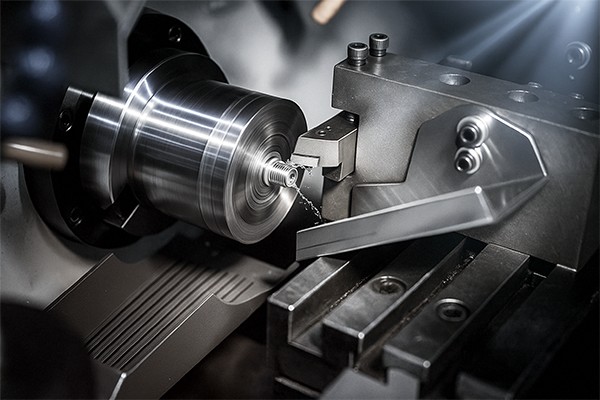
Designing a planetary gear reducer with high theoretical torque density is one thing; manufacturing it reliably is another. Even a superior CAD model fails if the physical gears have tooth flank errors exceeding 0.01 mm. This is where Ningbo CCMS Industrial Co., Ltd. (CCMS) brings over 20 years of CNC machining expertise.
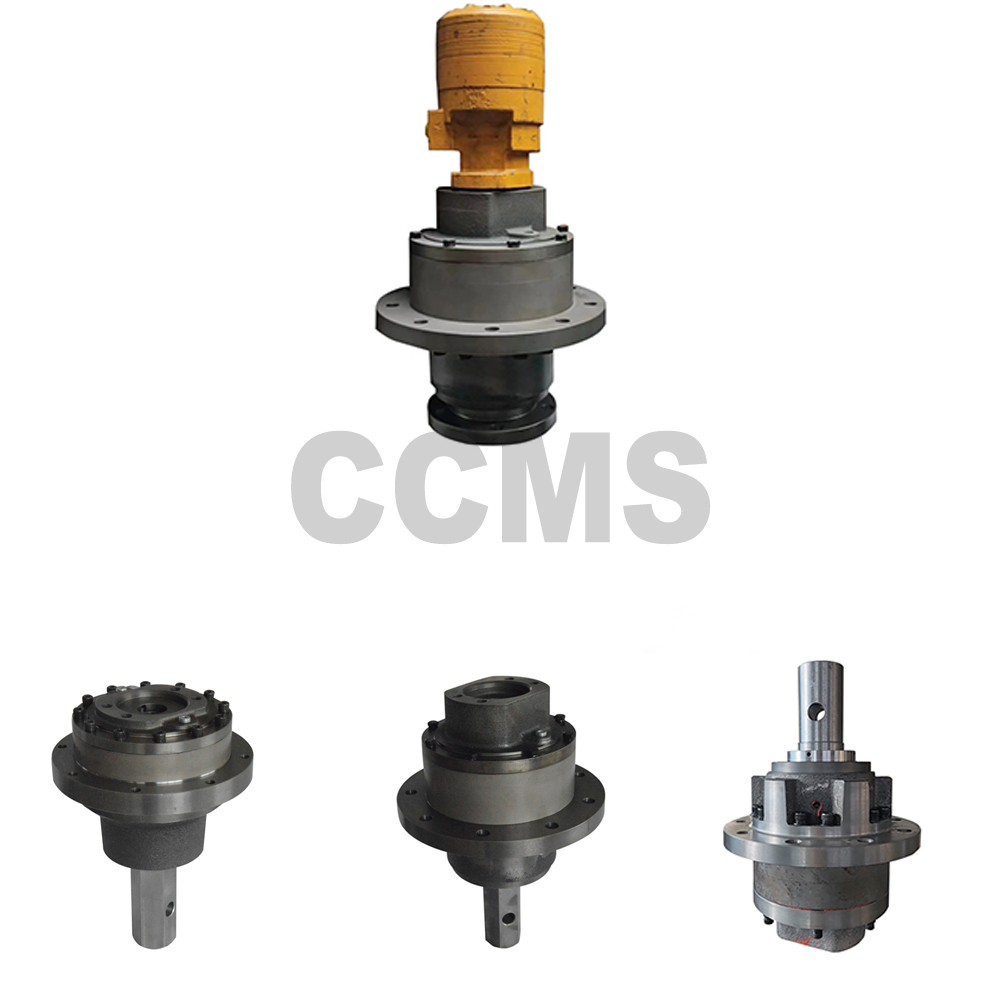
CCMS focuses on high‑precision castings and forgings, holding dimensional accuracy to 0.01 mm. Their product range includes not only planetary gear reducer but also centerless grinding machines – the same equipment used to finish EV gear components. This vertical integration ensures closed‑loop quality control.
Why choosing CCMS:
- Consistent backlash <3 arcmin – Verified on every batch via CMM reports.
- Higher real torque density – Achieve 110‑150 Nm/kg, enabling reducer downsizing.
- Shorter lead times – In‑house casting/forging + CNC machining eliminates external supply delays.
- Full life‑cycle support – Dedicated R&D, production, sales, and after‑sales teams under one standardized management system.
One‑Click Checklist for Sourcing a Planetary Gear Reducer for EV Programs
Before issuing a purchase order, verify:
- Does the supplier provide CMM reports with 0.01 mm tooth profile accuracy?
- Is backlash guaranteed at ≤3 arcmin (measured on production units)?
- Can they supply custom reduction ratios (e.g., 7:1, 9:1) without extended tooling lead times?
- Are gear materials fully traceable (heat treatment certificates available)?
- Does the supplier have in‑house grinding capabilities (not outsourced)?
CCMS answers “yes” to all five, backed by 20+ years of machinery manufacturing experience and a complete process from casting/forging to finished planetary gear reducer.
The Planetary Gear Reducer Is an EV Torque Multiplier
The shift to electric mobility demands drivetrain components that are lighter, stronger, and more precise than any prior generation. A planetary gear reducer manufactured to 0.01 mm tolerances boosts torque density by up to 60%, enabling faster acceleration, longer range, and quieter operation. For EV OEMs and tier‑1 suppliers, selecting a partner like CCMS – with in‑house centerless grinding machines, full CNC machining of castings and forgings, and a proven 20‑year track record – transforms theoretical advantages into road‑ready performance.
Always demand measured backlash data and gear surface finish reports. Use the parameter table above as your technical annex in RFQs. And remember: a planetary gear reducer is only as good as the precision with which it is machined.
Related News
- CNC Machining Castings: Machining Allowance, Datums and Defects
- CCMS Industrial Delivers Precision CNC Parts for Advanced Automation Equipment Applications
- CNC Machining Design Guide: Make Parts Easier to Quote and Produce
- How to Select the Right Centerless Grinder for Your Precision Machining Shop
- How High-Torque Gearboxes Improve Uptime for Excavator and Drilling Fleet Operations
- CNC Machining Surface Finishes: How to Specify Texture and Treatment
Leave me a message