
How to Select the Right Centerless Grinder for Your Precision Machining Shop
Meta Description: Choosing a centerless grinder? Learn how to match machine capacity, tolerance requirements, workpiece geometry and production volume for your precision machining shop.
Introduction
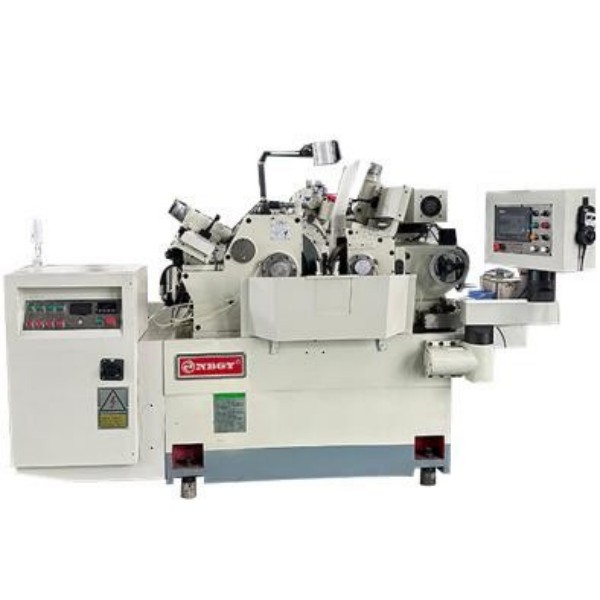
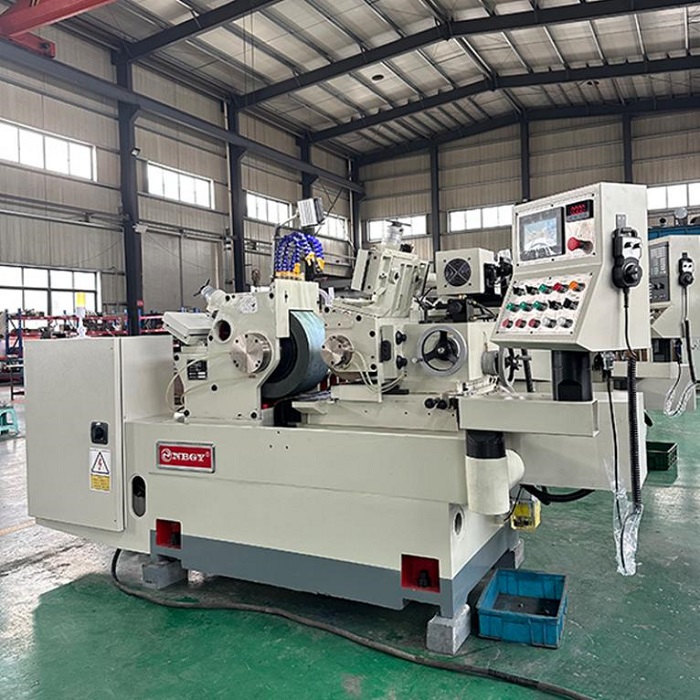
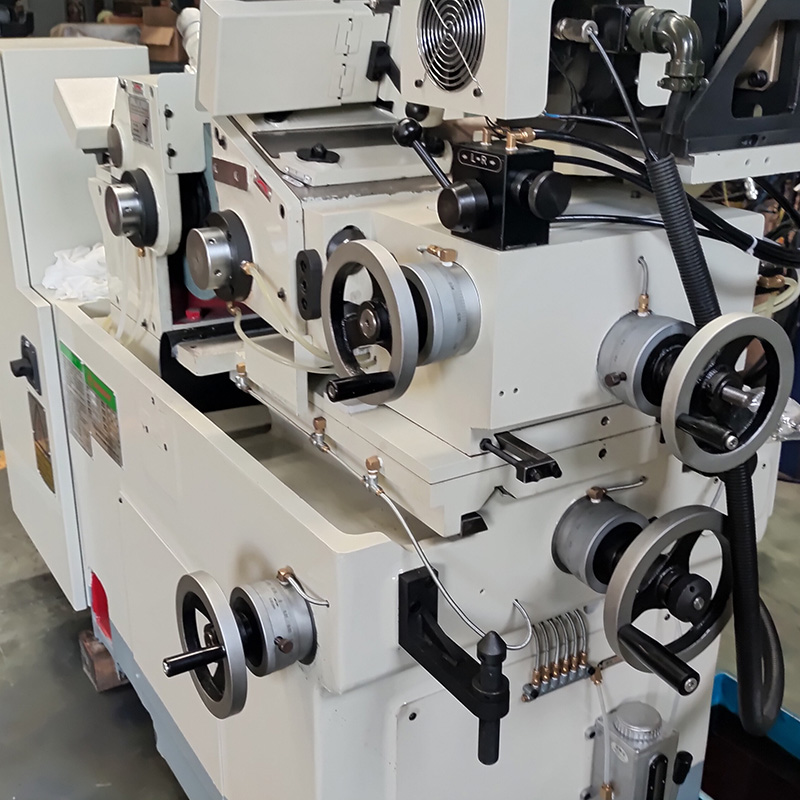
If your precision machining shop runs high-volume cylindrical parts, you’ve probably considered adding a centerless grinder to your floor. Unlike conventional cylindrical grinders that hold workpieces between centers, centerless grinding supports parts on a work rest blade, using a grinding wheel and regulating wheel to remove material without chucks or center holes. This design delivers fast cycle times and continuous feeding, but buying the wrong model creates expensive headaches: inconsistent roundness, frequent setup changes, wasted labor and missed delivery deadlines.
Selecting the right centerless grinder is not just about picking the largest or most precise machine you can afford. It starts with your actual parts, batch sizes, tolerance targets, and long-term shop workflow. Many shop owners rush this decision and end up with equipment that only works for one narrow part family. This guide walks you through every practical factor to evaluate before you invest in a new or used centerless grinder.
1. Map Your Workpiece Geometry and Dimensions First
Before comparing machine specs, pull your current and future part prints. Centerless grinders excel with round, symmetrical OD work, but different part shapes demand different grinding methods.
Through-feed grinding: For straight, constant-diameter cylinders such as pins, dowels, bars, rollers and simple shafts. Parts pass fully through the grinding zone. This method delivers the highest throughput for long runs.
In-feed (plunge) grinding: For parts with shoulders, steps, tapers or profiles that cannot pass fully through the wheels. The workpiece sits in one fixed axial position while wheels plunge radially. Cycle times are slower, but you can grind complex cylindrical profiles.
End-feed grinding: For short tapered or plug-style components where material removal happens at one end of the workpiece.
Write down the minimum and maximum workpiece diameter, part length, stock removal allowance, and raw material. Hardened steel, stainless, titanium, carbide and soft aluminum behave differently during grinding. Harder alloys require rigid machine construction and often CBN or diamond abrasives, while soft materials demand careful wheel selection to avoid loading and poor surface finish.
A common mistake is buying a machine sized for your current largest part, only to discover most jobs sit at the small end of the machine’s range. Oversized machines on tiny workpieces struggle with vibration control and roundness.
2. Define Your Tolerance, Roundness and Surface Finish Targets
Tolerance requirements directly decide whether you need a general-purpose grinder or a high-precision CNC model. Do not buy based solely on published marketing accuracy numbers. Always leave a safety margin.
For typical production work, manual centerless grinders reliably hold diameter tolerances around ±0.0005 in and roundness of 0.0002 in. Aerospace, medical or hydraulic valve components may demand sub-micron roundness and Ra 0.02 μm surface finish, requiring thermally stabilized machine frames, closed-loop CNC axes, in-process gauging and automatic size compensation.
Will the machine run long continuous shifts, where thermal drift affects part size?
If your jobs alternate between loose commercial tolerances and ultra-precision runs, prioritize machines with robust thermal compensation and rigid cast frames. Vibration kills roundness faster than almost any other variable.
3. Match Machine Type: Manual vs CNC Centerless Grinder
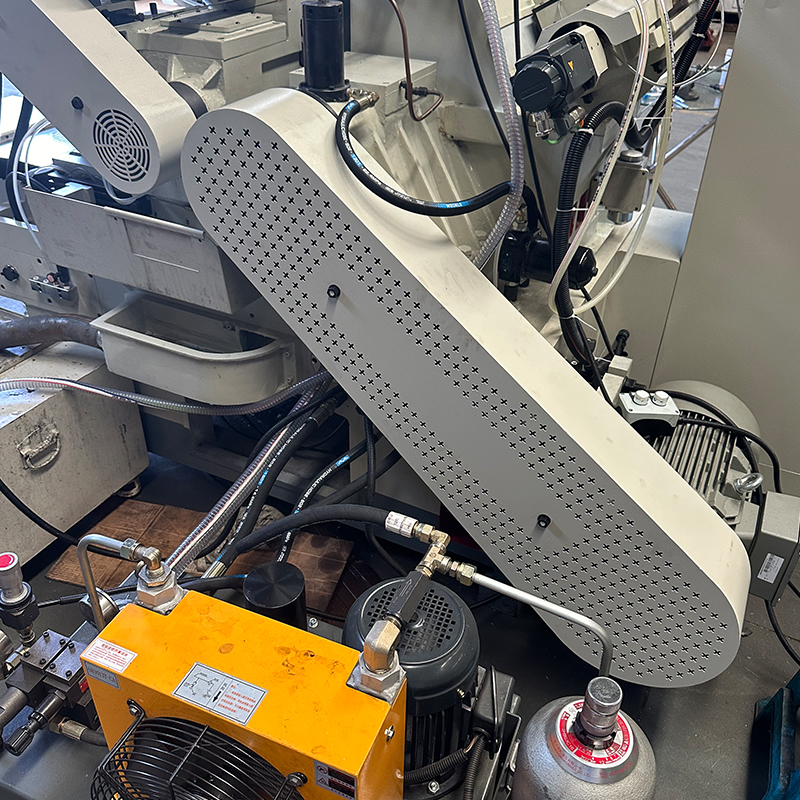
Manual centerless grinders remain popular for low-to-medium volume runs, simple parts and shops with experienced grind operators. They cost less upfront, are simpler to maintain, and many veteran machinists can adjust wheel angles and work rest blades quickly once they master the setup. The downside: every new part needs manual rework, and quality consistency depends heavily on operator skill.
CNC centerless grinders add programmable regulating wheel angles, servo feeds, automatic dressing cycles and size compensation. Setup recipes can be saved and recalled for repeat jobs, cutting changeover time dramatically. CNC shines for high-mix, medium-to-high volume work, especially when your shop struggles with operator turnover or batch-to-batch variation.
That said, CNC machines are not automatically better. If your shop only runs one simple through-feed part all year, a solid manual grinder may deliver better ROI. If you frequently switch between part families and need consistent results across shifts, CNC is worth the premium.
4. Calculate Production Volume and Throughput Needs
Centerless grinding’s biggest advantage is throughput, so match machine capability to your real batch schedule.
Low-volume, high-mix prototype work rarely justifies a fully automated centerless grinder. Setup time for centerless can be lengthy, and short runs may be more economical on a conventional cylindrical grinder.
Medium and high-volume jobs — tens of thousands or millions of identical parts — are where centerless grinding shines. Through-feed machines can push hundreds of small pins per minute once dialed in. Also consider planned growth: will your part mix expand over the next 3–5 years? Buying only for today’s orders can force another upgrade sooner than expected.
Don’t forget to factor non-grinding downtime: wheel dressing, part gauging, blade replacement, cleanup and maintenance. Published cycle times usually ignore these real-world delays.
5. Evaluate Machine Rigidity, Wheel System and Coolant
Frame rigidity is one of the most underrated buying criteria. A heavy, well-damped cast iron frame absorbs vibration. Light, flexible frames may look fine at low stock removal but degrade roundness as wheels wear or spindle loads change.
Check the grinding wheel spindle and regulating wheel spindle bearings. High-precision models use high-grade bearings designed for continuous running. Also review the dressing system: manual dressers work for simple jobs, while automatic dressers maintain consistent wheel geometry over long runs and reduce operator error.
Coolant and filtration deserve close attention. Fine grinding swarf quickly contaminates coolant. Poor filtration scratches surface finish and accelerates wheel and bearing wear. For precision work, look for machines with high-efficiency filtration, magnetic separators and temperature-controlled coolant systems.
6. Automation Integration and Shop Workflow
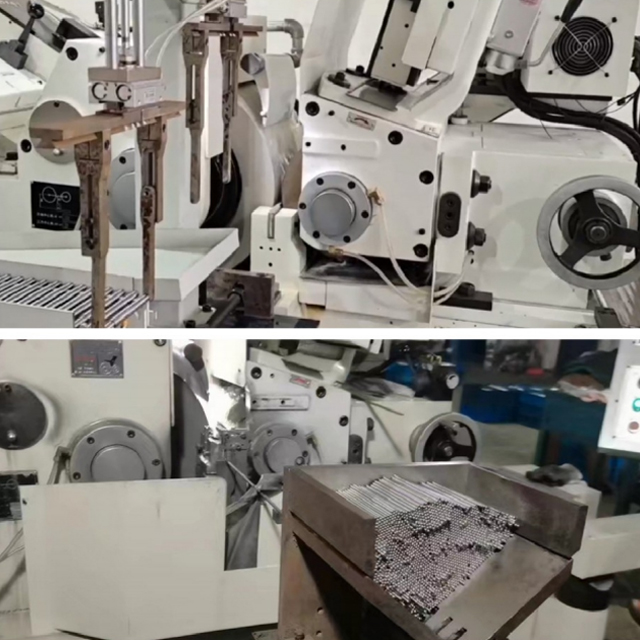
Many modern centerless grinders integrate seamlessly with bar feeders, hopper feeders, part ejectors, in-line gauges and robotic handling. Automation makes sense when labor cost is high, or when you want lights-out production.
But automation adds complexity and maintenance. Ask whether the machine’s control platform communicates with your existing gauging or ERP systems. Some aftermarket feeders only work with specific machine brands. If you plan to add automation later, confirm compatibility before purchase.
For small shops running mixed batches, simple manual loading may be the smarter choice. Complex automation can become a liability when jobs change weekly.
7. Service, Training and After-Sales Support
Centerless grinding is process-sensitive. Even a great machine performs poorly if your team cannot set it up correctly. Before finalizing a purchase, verify what training comes with the machine. Many shops underestimate the learning curve for work rest blade height, regulating wheel tilt and spark-out settings.
Check local service availability and lead times for spare parts. A low-cost machine with a 12-week wait for replacement bearings can shut down your whole production cell. Request references from other precision shops running the same model. Talk to those operators about common failures, maintenance frequency and how quickly support responds.
If you are considering a used centerless grinder, inspect spindle runout, frame twist, work rest seating and wheel dresser condition. Always run a test grind on your actual part samples before committing.
8. Budget, ROI and Hidden Operating Costs
Purchase price is just one part of total cost of ownership. Remember ongoing expenses: grinding wheels, regulating wheels, work rest blades, coolant, filter media, preventive maintenance, and operator training.
A cheaper machine may require more frequent wheel changes and constant operator tweaking. Over two or three years, labor and scrap costs can exceed the price difference between budget and premium models. Build a simple ROI model: estimate cycle time reduction, scrap rate, labor per part and expected annual run quantity.
Common Pitfalls to Avoid
- Buying purely based on advertised precision specs without testing your actual workpiece material.
- Choosing a through-feed machine when most jobs have shoulders or stepped diameters.
- Ignoring thermal stability for long-running high-precision batches.
- Overlooking operator skill requirements; centerless setup is not intuitive.
- Underinvesting in coolant filtration, leading to poor surface quality and premature wear.
- Selecting too large a machine for tiny parts, causing vibration and roundness issues.
Final Checklist Before Purchase
✅ Workpiece diameter, length, material and stock removal defined
✅ Tolerance, roundness and surface finish requirements documented
✅ Selected grinding method: through-feed, in-feed or combination
✅ Production volume, batch frequency and 3–5 year growth forecast
✅ Manual or CNC control aligned with operator skill and changeover frequency
✅ Machine rigidity, spindle quality and dressing system reviewed
✅ Coolant filtration and thermal stability evaluated
✅ Automation options and integration confirmed
✅ Supplier training, spare parts and local service verified
✅ Test grind completed using your actual raw blanks
Conclusion
The best centerless grinder for your precision machining shop is not the most advanced or expensive machine. It is the one matched to your parts, tolerances, batch sizes and team capabilities. Start with your part prints and production targets, not machine brochures. Evaluate rigidity, thermal stability, service support and total operating cost alongside upfront price. When you align the machine with your workflow, centerless grinding delivers outstanding throughput, consistent OD quality and long-term profitability for cylindrical component jobs.
Related News
- CNC Machining Deburring: How to Specify Edges and Inspect Hidden Burrs
- CNC Machining Threads: How to Specify and Inspect Tapped Holes
- CNC Machining Castings: Machining Allowance, Datums and Defects
- CCMS Industrial Delivers Precision CNC Parts for Advanced Automation Equipment Applications
- CNC Machining Design Guide: Make Parts Easier to Quote and Produce
- How High-Torque Gearboxes Improve Uptime for Excavator and Drilling Fleet Operations
Leave me a message