
Material selection is not a contest between the cheapest bar and the strongest alloy. The useful choice meets the part's function, environment and verification needs while leaving a stable route from stock to finished component.
Choose a CNC machining material by translating the application into measurable requirements, screening suitable material families, then confirming the exact grade, condition, stock form, machining route and finish with the supplier. Compare finished-part cost and risk—not only price per kilogram. A cheaper alloy can cost more if it needs slower machining, extra stress relief, more stock removal, special tooling or additional surface protection.
A material name on a drawing can look precise and still leave major questions unanswered. “Aluminum,” “stainless” or “cast iron” describes a family, not a complete procurement requirement. Alloy chemistry, product form, heat treatment and condition can change performance and manufacturing behavior. The Aluminum Association, for example, notes that elements such as magnesium, silicon and zinc affect aluminum's strength, workability, conductivity and corrosion resistance. That is why a full material callout matters.
The selection also affects the process plan. ASM International describes machining as a material-removal operation used to achieve controlled tolerances and surface finishes, while identifying raw material, labor and equipment as parts of machining cost. In practical sourcing terms, the designer selects a material and the supplier must still turn a particular blank into a conforming part.
01 · Engineering intentStart with what the part must do
Do not begin with a favorite alloy. Begin with the conditions that can make the part fail or become unacceptable. Convert those conditions into requirements that the drawing, specification and inspection plan can control.
Strength and stiffness are not the same requirement. A material can have adequate strength yet allow too much elastic deflection. Corrosion resistance is also specific to the environment: stainless steels derive protection from a chromium-rich passive film, but worldstainless cautions that stainless grades can still experience pitting, crevice, galvanic, intergranular and stress-corrosion mechanisms under particular conditions.
02 · Decision processUse a shortlisting workflow instead of guessing
- Define non-negotiable requirements. These may include load, stiffness, maximum mass, temperature, fluid compatibility, regulatory material restrictions or an approved specification.
- Screen material families. Remove candidates that clearly fail the application. Keep more than one option when requirements allow it.
- Select grade and condition. State the governing designation system. A grade without its temper, heat treatment or delivery condition may be incomplete.
- Select the blank route. Bar, plate, tube, extrusion, forging and casting create different stock allowances, properties, lead-time questions and machining plans.
- Review machining and distortion risk. Consider tool access, chip control, burrs, heat, residual stress, unsupported walls and how much material is removed from each side.
- Confirm finishing and inspection. Verify whether the material accepts the intended coating or treatment and whether critical dimensions apply before or after it.
- Compare total finished cost. Include material yield, setup, cycle time, tooling, outside processing, inspection and the consequence of scrap or late changes.
This workflow should happen before the RFQ is frozen. If two candidates remain viable, ask the supplier to quote them as named alternatives with the same geometry, quantity and inspection scope. That produces a useful comparison. An open instruction such as “use an equivalent” does not.
03 · ShortlistCompare common CNC machining material families
The table below is a screening tool, not a grade-substitution chart. Individual alloys and conditions can behave differently, so final selection must follow the application's governing data and standards.
| Material family | Often considered when | Manufacturing questions | Do not assume |
|---|---|---|---|
| Aluminum alloys | Low mass, thermal transfer, general corrosion resistance or anodized appearance matter | Wrought or cast grade? Temper? Thin-wall distortion? Anodizing or conversion coating? | Every aluminum grade has the same strength, finish response or machinability |
| Carbon and alloy steels | Strength, stiffness, wear resistance, hardening options or economical raw stock matter | Heat treatment stage? Scale removal? Grinding allowance? Corrosion protection? | “Steel” is a complete material specification |
| Stainless steels | Corrosion resistance, cleaning, appearance or temperature performance matters | Grade family? Work hardening? Passivation? Chloride exposure? Magnetic response? | Stainless is corrosion-proof or all grades machine alike |
| Gray or ductile cast iron | Damping, compressive loading, wear surfaces, stable housings or near-net cast geometry matter | Iron grade? Casting quality? Machining allowance? Porosity acceptance? Coating? | Gray iron and ductile iron are interchangeable |
| Copper alloys | Electrical or thermal conductivity, bearing behavior or particular corrosion needs matter | Exact alloy? Burr control? Surface marking? Joining or plating requirements? | All brasses and bronzes share the same properties |
| Titanium or nickel alloys | High specific performance, temperature or demanding corrosion service justifies them | Approved grade and source? Tooling? Heat control? Traceability? Special processing? | A premium raw material guarantees an economical or low-risk part |
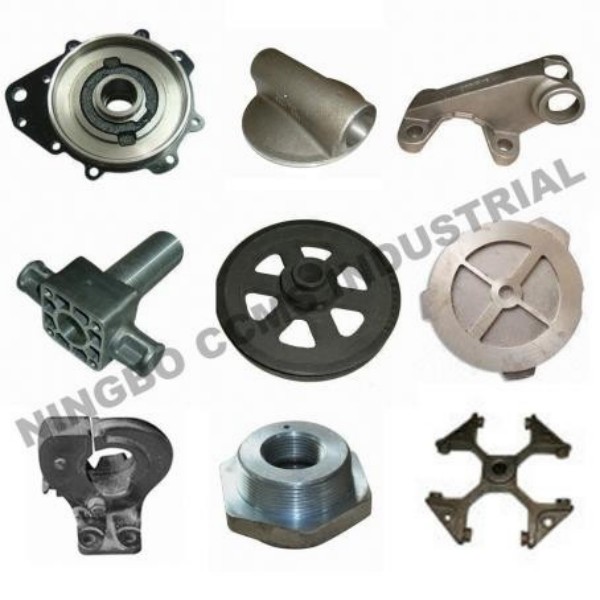
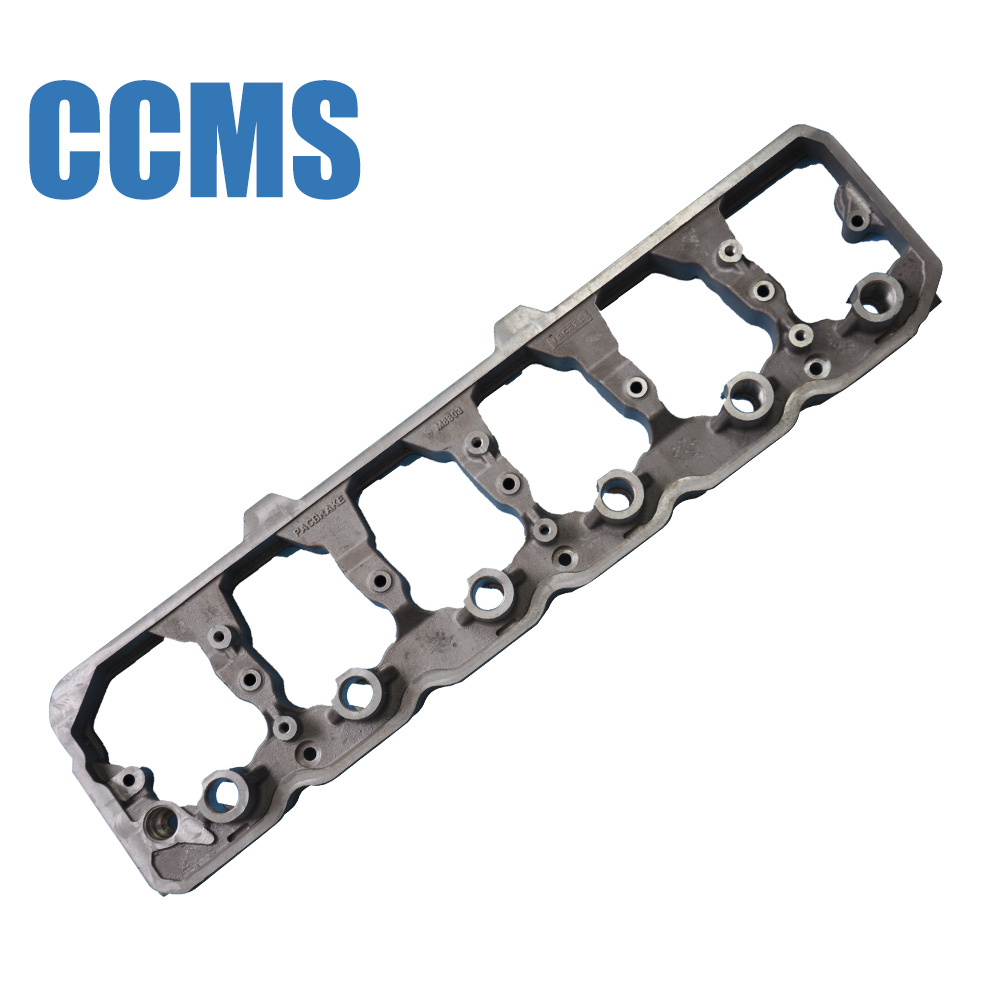
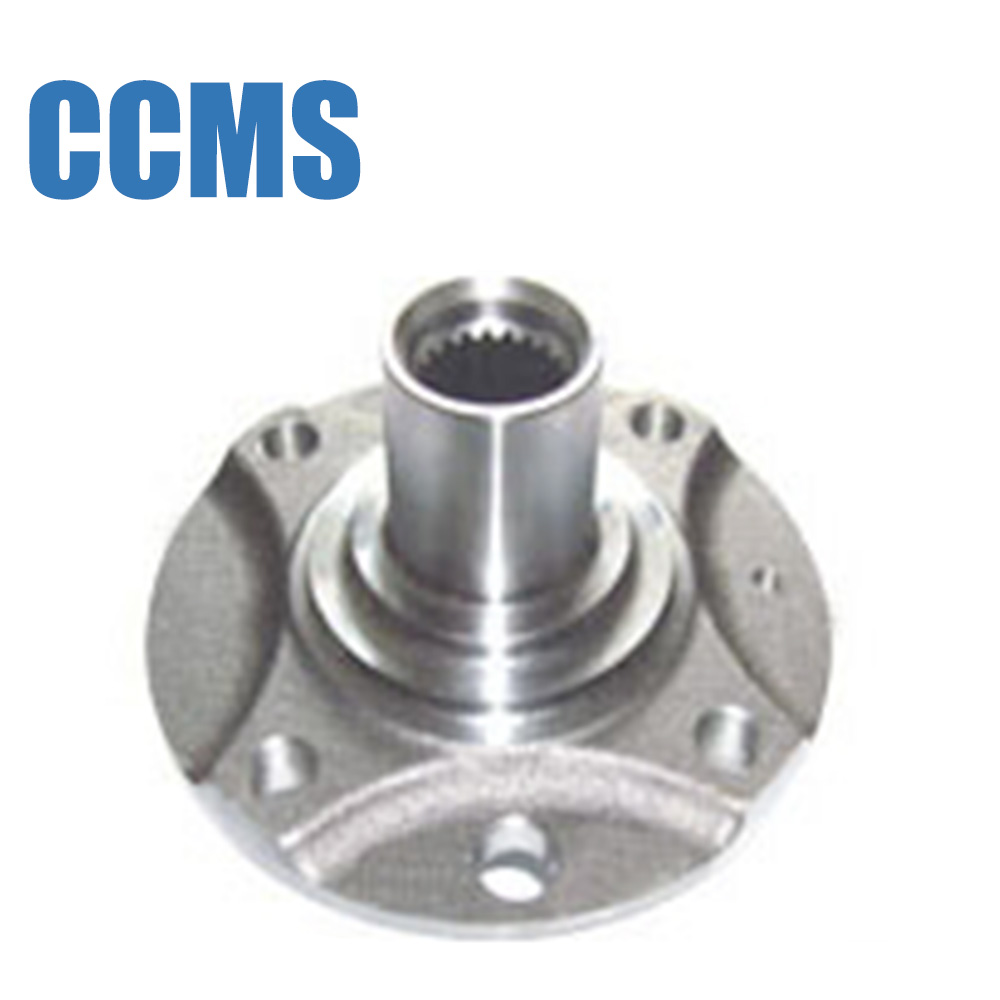
CCMS's CNC machining parts page publicly lists cast iron, gray iron, stainless steel and aluminum alloy among the materials it processes. Treat that as a first-party capability statement, then confirm the exact grade, dimensions, condition, quantity and inspection needs for your part.
04 · AluminumChoose aluminum when low mass and a practical finish route align
Aluminum is often shortlisted for housings, covers, brackets, manifolds and moving components where mass, thermal behavior or corrosion resistance matters. The Aluminum Association describes aluminum as lightweight and naturally protected by an oxide layer, while also emphasizing that alloying changes its properties. Those broad advantages do not remove the need to specify a particular alloy and condition.
Questions to answer before releasing an aluminum drawing
- Is the requirement based on a wrought product, a casting alloy or either route?
- Does the temper or condition affect strength, stability or qualification?
- Will the part be anodized, conversion coated, plated, painted or left as machined?
- Are electrical contact areas, sealing faces, threads or tight fits to be masked?
- Could thin walls move when a large percentage of the blank is removed?
- Does the appearance require a controlled alloy, surface preparation and reference sample?
Anodizing is not simply colored paint. The Aluminum Anodizers Council describes it as an electrochemical conversion of the aluminum surface into an integrated aluminum-oxide finish. Alloy series and constituent elements affect how an alloy responds, so color and appearance should be reviewed with the actual material and finish specification.
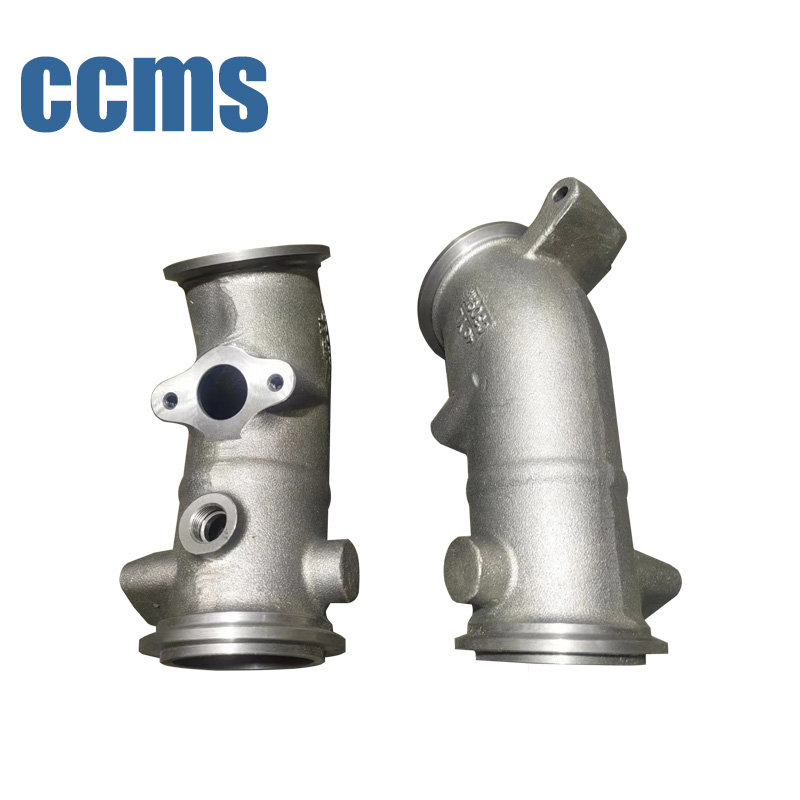
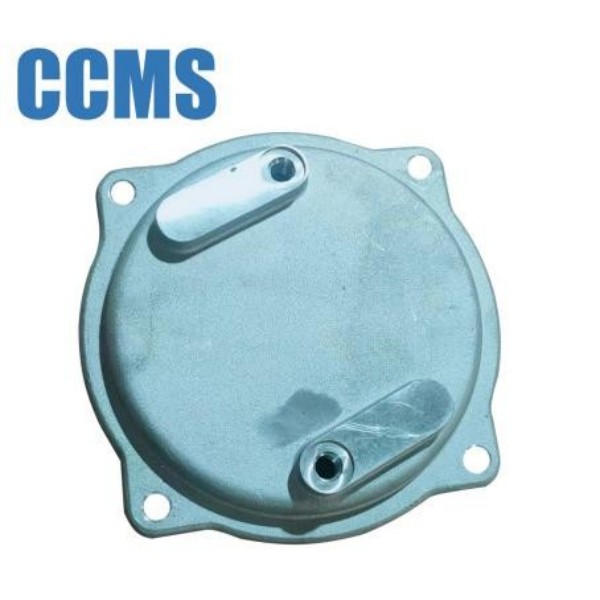
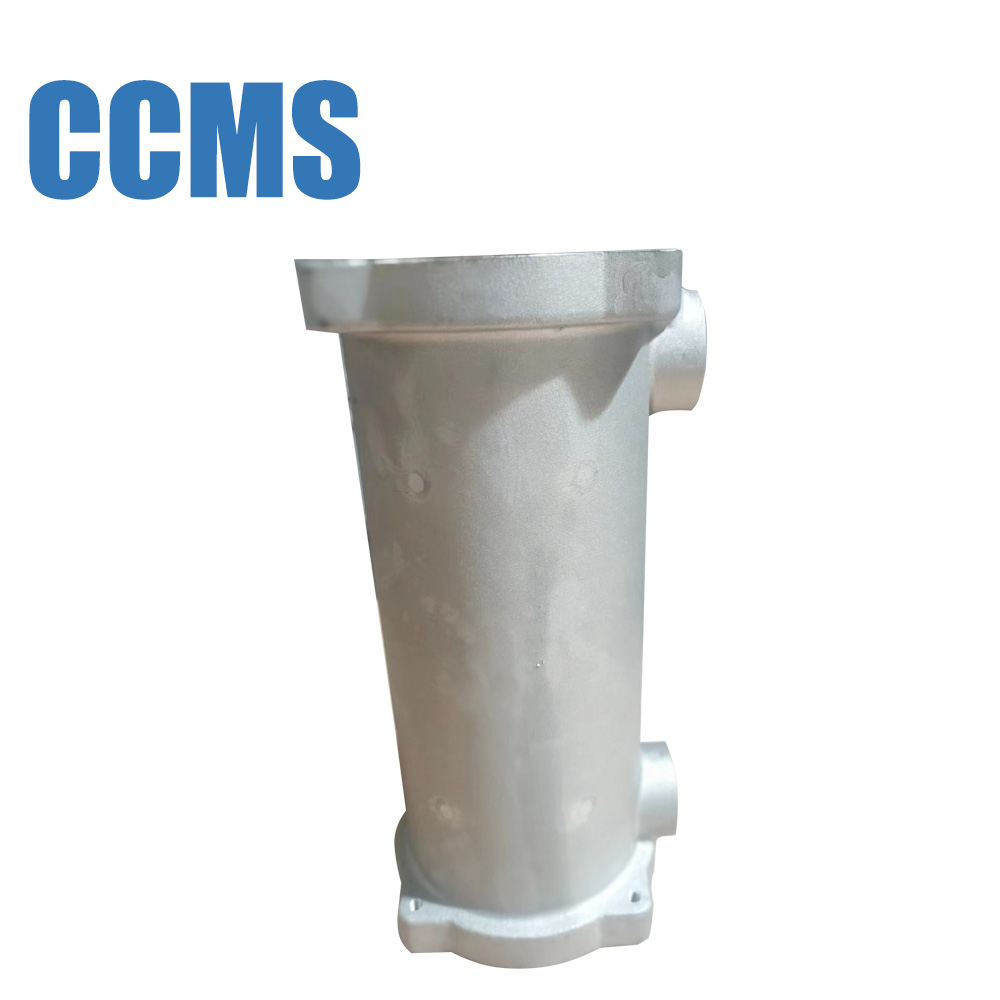
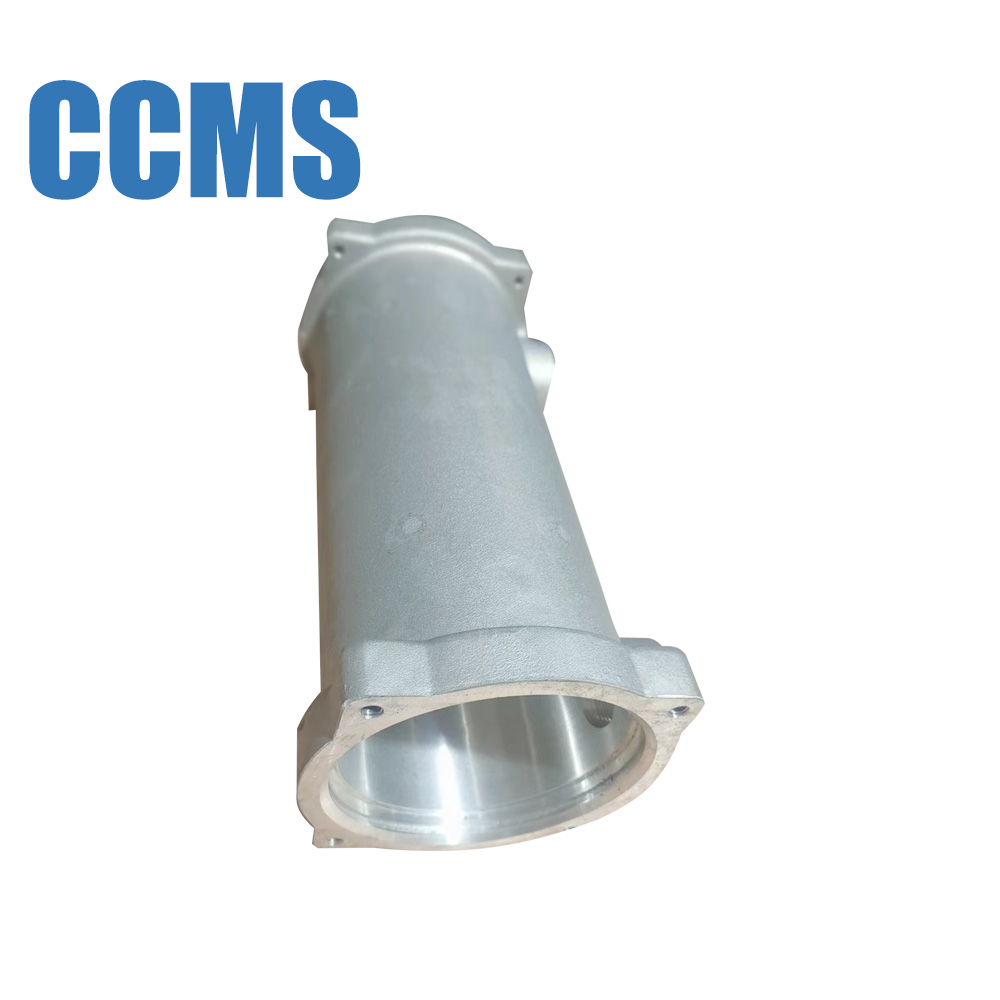
For geometry with substantial internal volume, compare machining from billet with a near-net blank. The pictured cast aluminum machined component illustrates why casting plus finish machining may be considered for repeat production. It is not automatically the best route: tooling, quantity, casting control and critical machining allowance decide whether the economics work.
05 · Ferrous optionsSeparate carbon or alloy steel from stainless steel
Carbon and alloy steels are commonly evaluated where stiffness, strength, wear resistance and heat-treatment options are important. Their procurement callout should address the exact grade, delivery form and heat-treatment state. If machining occurs before and after hardening, the supplier needs to know which features require finishing allowance and which dimensions apply in the final condition.
Also define corrosion protection. A steel part that passes dimensional inspection can still fail the application if packaging, storage, coating or maintenance was never specified. Black oxide, phosphate, paint, plating and other treatments are different systems with different purposes; the drawing should call out the required specification rather than only a color.
Use stainless steel for a defined corrosion case—not as a generic upgrade
Stainless steel covers several families and many grades. Its passive chromium-rich surface film is the basis of corrosion resistance, but grade selection must match the environment. Machining behavior also varies. Some grades can work-harden, produce difficult chips or require a different cutting plan from a familiar carbon steel.
If passivation is required, name the governing requirement. ASTM A967/A967M-25 covers several chemical passivation treatments and alternative tests for confirming effectiveness. The ASTM scope specifically says the standard does not recommend one grade, treatment or acceptance criterion for every application. The design authority still owns that decision.
06 · Cast ironUse the iron grade and casting route as part of the design
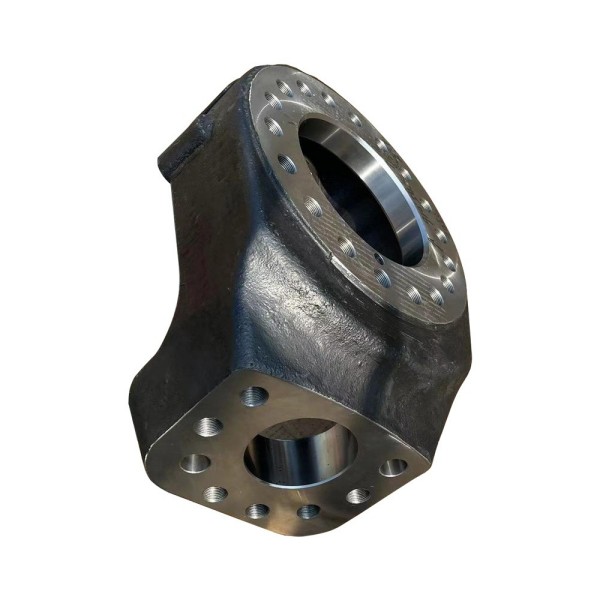
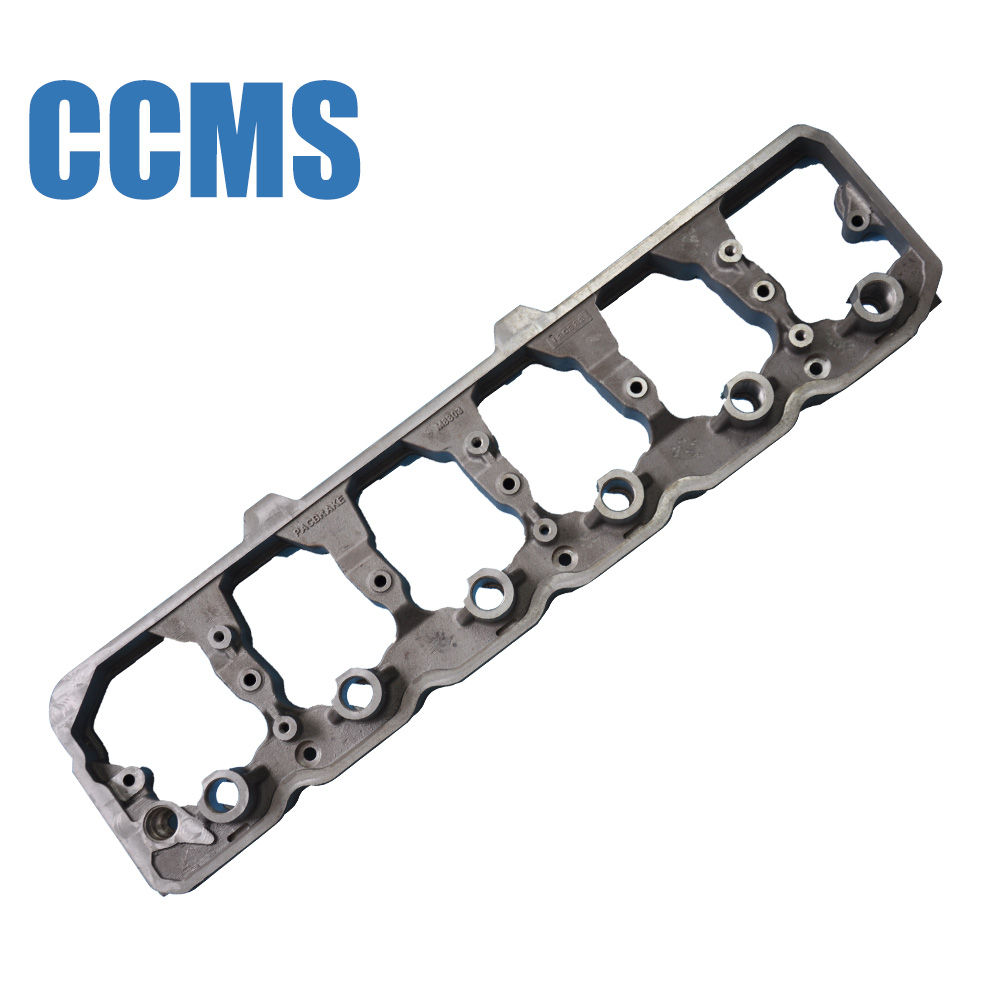
Cast iron can be appropriate for machine structures, housings, covers, hubs and other components where cast geometry, damping, wear behavior or compressive service is valuable. But “cast iron” is not a single property set. Gray iron and ductile iron have different graphite structures and mechanical behavior; neither should be substituted for the other without engineering approval.
A machined casting also needs two specifications working together: the blank and the finished part. Define casting grade, heat treatment if required, critical soundness or defect criteria, machining stock, datum pads and the surfaces that remain as cast. Then define the machined dimensions, texture, cleaning, coating and inspection stage.
Review the casting-to-machining datum strategy early. If the casting profile can shift relative to a machined bore or face, a final drawing that controls only the machined geometry may not prevent thin walls or visual mismatch. The CNC machining tolerances guide explains why datums and functional relationships matter more than applying a tight general tolerance everywhere.
07 · Total routeAccount for stock, machining, finishing and inspection together
Material selection is complete only when a realistic production route exists. Review the following factors with the machine shop:
| Decision | Why it changes the result | What to confirm |
|---|---|---|
| Stock form and size | Controls availability, material yield, clamping and removal volume | Standard size, allowance, grain direction or casting route |
| Material condition | Affects properties, cutting behavior and stability | Temper, heat treatment, stress relief and sequence |
| Feature geometry | Deep pockets, thin walls and small tools alter time and deflection risk | Accessible radii, wall support and acceptable design changes |
| Surface requirement | Fine texture or grinding adds operations and measurement | Functional surfaces, parameter, direction and inspection method |
| Post-processing | Can change size, appearance and delivery scope | Specification, masking, coating allowance and final inspection stage |
| Quantity | Changes the balance between billet, casting, forging and dedicated workholding | Prototype, batch size, annual demand and likely design revisions |
For prototypes, machining from standard stock can reduce commitment and support design changes. For stable production, a casting, forging or extrusion may improve material yield and cycle time if volume supports the tooling and qualification work. Compare both options using the same requirements. The CNC machining cost guide shows how stock removal, setups, tool access and unnecessary tolerances affect the finished price.
Do not switch prototype material casually. A substitute may be acceptable for checking envelope and assembly. It is not representative when the test depends on stiffness, heat flow, wear, corrosion, fatigue, mass, threads, heat treatment or surface finishing. Mark the prototype deviation and define what must be retested in production material.
08 · Procurement controlWrite a material callout suppliers can quote
Include these material details in the RFQ
- Material designation system, exact grade and governing specification
- Temper, heat treatment or delivery condition
- Controlled product form or blank route, if required
- Approved alternatives and who may authorize a substitution
- Mechanical, chemical or application-specific requirements not already covered
- Material certificate type, lot linkage and traceability
- Heat treatment, hardness and testing requirements
- Surface texture, coating, passivation, anodizing or other finish specification
- Dimensions and tolerances that apply after processing
- Prototype and production quantities plus expected annual demand
Send a searchable 2D drawing and a controlled 3D model where possible. The CNC machining RFQ guide covers the remaining quotation inputs, while the inspection checklist helps connect the material callout to certificates and receiving records.
09 · Buyer questionsFrequently asked questions
What is the best material for CNC machining?
There is no universal best material. The right choice is the grade, condition and stock form that meet the part's functional, environmental and compliance requirements with an economical manufacturing route.
Should I specify an exact alloy or let the supplier choose?
Specify an exact grade and condition when they are required for function, validation or compliance. If alternatives are acceptable, list them or give the supplier written approval rules rather than using an open-ended material callout.
Can a prototype use a different material from production?
It can when the prototype is only checking shape or assembly and the difference is documented. A substitute is unsuitable when testing depends on strength, stiffness, corrosion, temperature, wear, fatigue, mass or the final surface treatment.
What material information should be included in a CNC machining RFQ?
Include the material designation, specification system, grade, condition or heat treatment, required stock or blank route if controlled, prohibited substitutions, certification and traceability needs, final finish and any application-specific compliance requirements.
Turn the material choice into a manufacturable RFQ.
Send the drawing, material callout, finish, quantities and application requirements for a scope review.
Request a drawing reviewExplore CNC machining parts