
Auger Drive Selection Guide: How to Choose the Right Drive for Drilling Projects
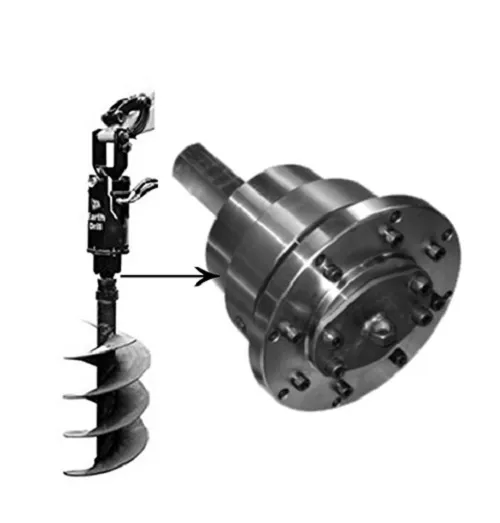
An auger drive is the core power component of all drilling and pile-driving equipment, including post hole diggers, solar pile drills, foundation auger rigs, and trenchless drilling machines. It provides stable rotational torque and downward pressure for auger bits, directly determining drilling efficiency, hole forming accuracy, equipment durability, and overall construction safety. For construction contractors, farm operators, solar installation teams, and municipal engineering workers, selecting a suitable auger drive is the key to reducing operating costs, avoiding frequent equipment failures, and improving project progress. Many users often encounter problems such as slow drilling speed, auger jamming, insufficient power, and frequent shutdowns, most of which are caused by incorrect auger drive selection. This comprehensive guide will elaborate on all core factors of auger drive selection, compare different drive types, and help you pick the most matched auger drive for various working conditions.
In modern construction and agricultural drilling operations, auger drives need to adapt to complex and changeable working environments, ranging from soft soil farmland drilling to hard rock and frozen soil engineering piling. Different terrains, drilling depths, hole diameters, and working scenarios put forward completely different performance requirements for auger drive systems. Blindly choosing high-torque or low-cost auger drives will lead to wasted equipment performance or insufficient construction capacity, which affects the overall benefit of the project. Therefore, scientific and standardized auger drive selection criteria are essential for all drilling operation scenarios.
1. Main Types of Auger Drives and Core Performance Characteristics
Before selecting an auger drive, it is necessary to fully understand the performance advantages, limitations, and applicable scenarios of mainstream auger drive types on the market. At present, the three most common types are electric auger drives, hydraulic auger drives, and mechanical gear auger drives, which cover light, medium, and heavy-duty drilling scenarios respectively.
1.1 Electric Auger Drive
The electric auger drive relies on a high-efficiency motor and reduction gearbox to output power, featuring energy saving, low noise, simple structure, and convenient maintenance. This type of auger drive provides stable and continuous rotational speed, with small vibration during operation, and is very friendly for lightweight and short-term drilling tasks. It does not require hydraulic oil pipelines or complex power auxiliary systems, with low daily maintenance costs and no oil leakage pollution problems.
However, the limitation of electric auger drive is also obvious. Its torque output is limited, and it is difficult to cope with heavy-load drilling scenarios such as hard soil layer, frozen soil, and gravel stratum. It is easily overloaded and shut down when encountering excessive resistance, so it is only suitable for light-duty drilling projects with low stratum hardness.
1.2 Hydraulic Auger Drive
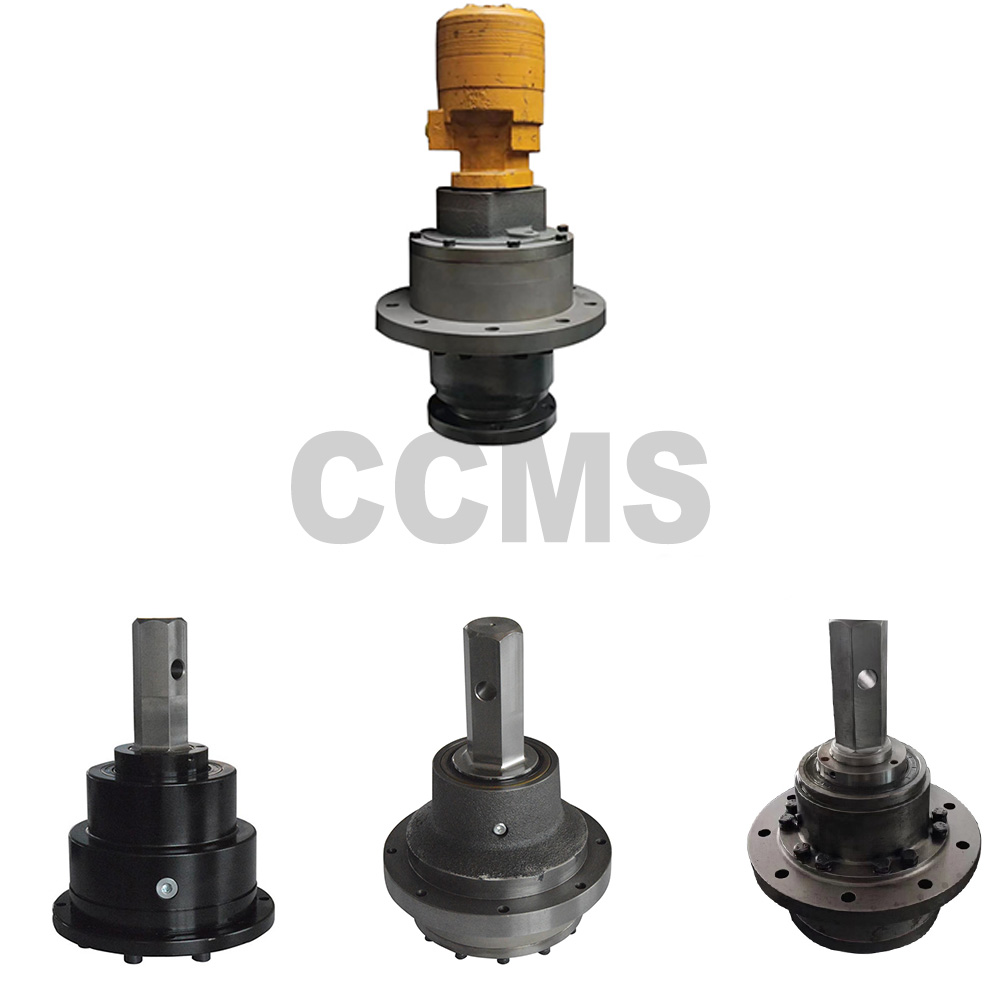
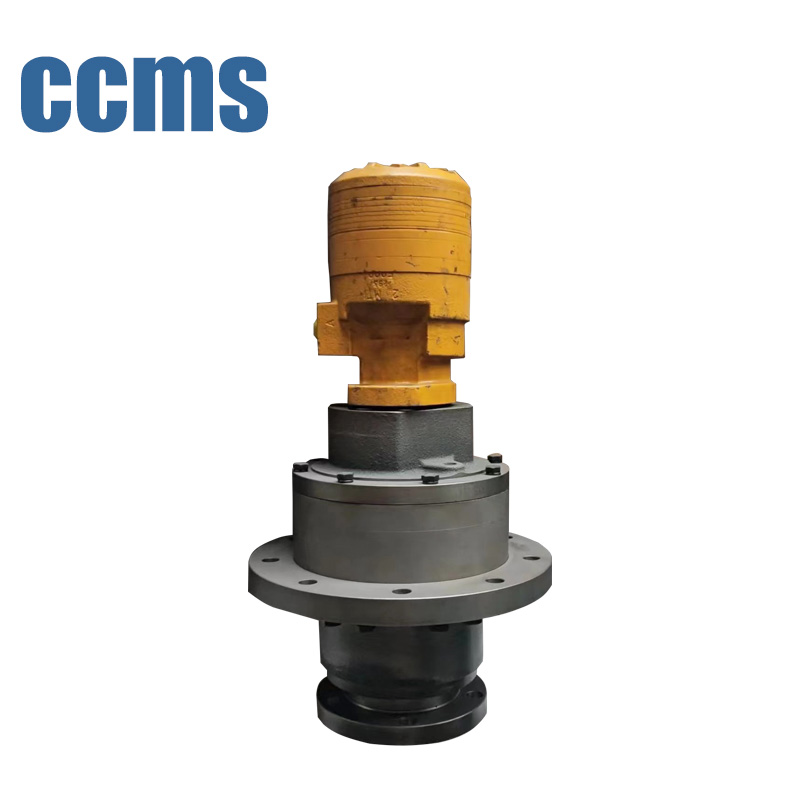
Hydraulic auger drive is the mainstream choice for medium and heavy-duty engineering drilling. It uses a hydraulic motor to convert hydraulic pressure power into rotational torque, with super strong overload resistance and stepless speed regulation function. The hydraulic auger drive can output stable high torque under heavy load conditions, effectively coping with hard soil, rock layers, deep hole drilling, and large-diameter piling operations.
In addition, the power output of the hydraulic auger drive is more adaptable. It can automatically adjust the torque and speed according to the underground resistance, greatly reducing the probability of auger jamming and equipment damage. Its main disadvantages are higher maintenance costs, regular replacement of hydraulic oil and seals, and a certain risk of oil leakage after long-term use. It is the preferred drive type for engineering machinery such as vehicle-mounted auger rigs and foundation piling equipment.
1.3 Mechanical Gear Auger Drive
The mechanical gear auger drive adopts a pure gear transmission structure, with extremely high structural stability and durability. It has the advantages of low manufacturing cost, simple failure rate, and strong impact resistance, and is widely used in simple agricultural drilling and small civil drilling equipment. The transmission efficiency of the mechanical gear drive is stable, and it is not easy to fail in long-term low-intensity operation.
The defect is that the speed and torque adjustment range is narrow, the flexibility is poor, and it cannot adapt to complex and variable stratum conditions. Once encountering hard obstacles, it is easy to cause gear wear or even tooth breaking, so it is only suitable for low-standard and simple drilling scenarios.
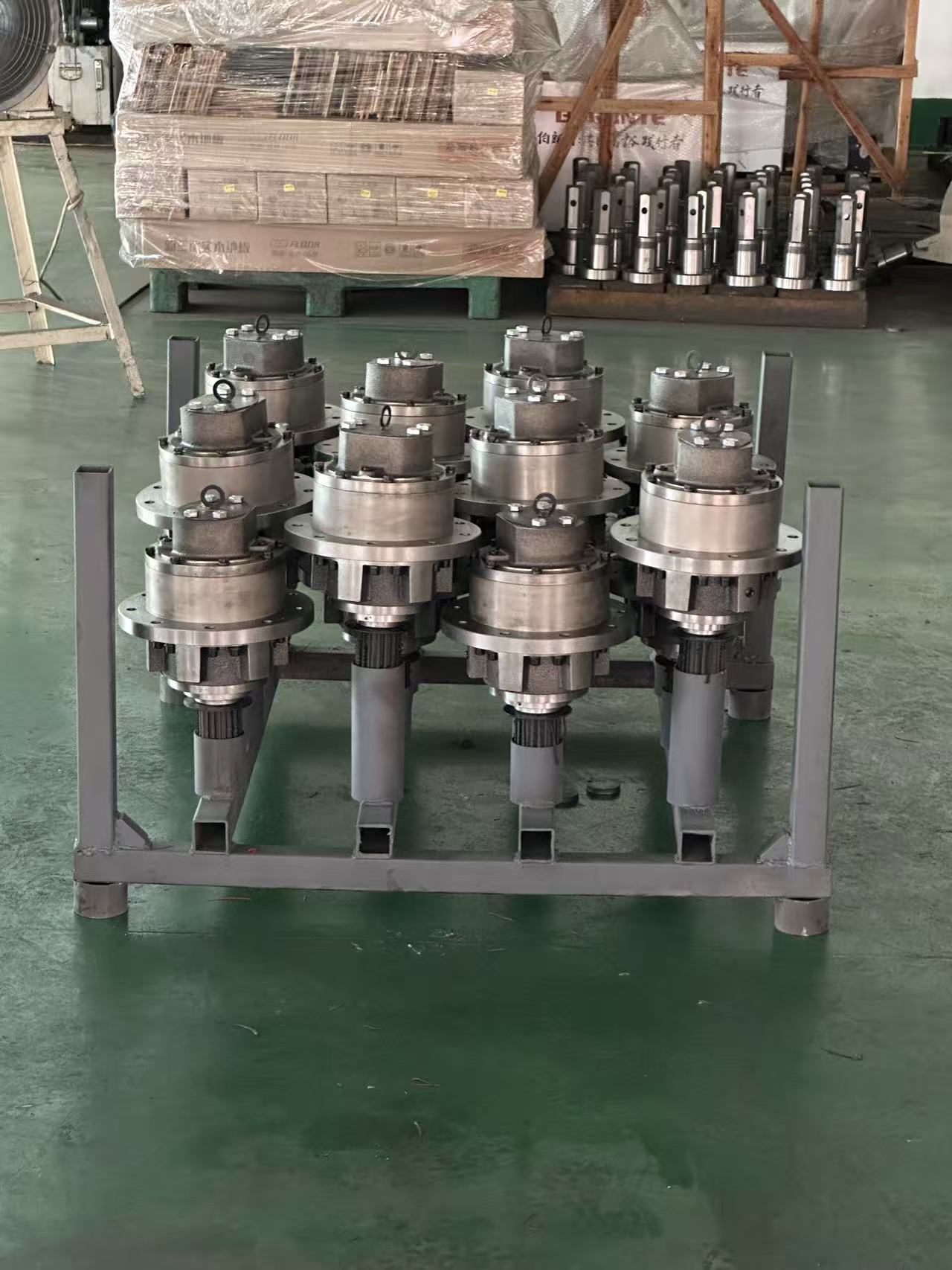
2. Key Factors for Professional Auger Drive Selection
Scientific auger drive selection needs to comprehensively consider stratum conditions, drilling parameters, working environment, and equipment matching degree, rather than simply referring to price or torque parameters. The following four core selection dimensions can help users accurately screen suitable auger drive products.
2.1 Select According to Soil and Stratum Conditions
Stratum hardness is the primary factor affecting auger drive selection. Different soil layers produce completely different drilling resistance, which directly determines the required drive torque and power.
For loose and soft soil layers such as farmland, garden soil, and ordinary backfill soil, the drilling resistance is small, and an electric auger drive with moderate power and low energy consumption can fully meet the construction needs, which can save equipment costs and daily operating costs. For hard soil, compacted soil, and slightly frozen soil layers with medium resistance, a small hydraulic auger drive or reinforced electric drive is recommended to ensure drilling efficiency.
For harsh strata such as hard frozen soil, gravel layer, weathered rock, and mixed soil with stones, only a high-torque hydraulic auger drive can cope with the strong drilling resistance. The high overload resistance of the hydraulic drive can effectively avoid auger jamming and drilling stagnation, ensuring smooth progress of heavy-duty drilling operations.
2.2 Select According to Drilling Diameter and Depth
Drilling aperture and depth are important indicators to determine the power level of the auger drive. The larger the hole diameter and the deeper the drilling depth, the greater the friction and resistance between the auger blade and the soil, and the higher the torque and power requirements for the drive system.
For small-diameter and shallow-hole drilling within 30cm and 2m deep, such as garden tree planting holes and small guardrail pile holes, a lightweight electric auger drive is sufficient. For medium-diameter holes of 30-60cm and drilling depths of 2-5m involved in solar photovoltaic piling and municipal guardrail construction, a medium-power hydraulic auger drive is the best choice to balance efficiency and cost.
For large-diameter and deep-hole foundation piling operations with a diameter of more than 60cm and a depth of more than 5m, it is necessary to select a heavy-duty high-torque hydraulic auger drive. Insufficient drive power will lead to slow soil discharge, low drilling efficiency, and even frequent equipment stalling, seriously affecting the construction cycle.
2.3 Select According to Construction Environment Conditions
The on-site construction environment directly restricts the type of power supply and the working mode of the auger drive, which is a key factor that cannot be ignored in selection.
For fixed-site construction with stable power supply such as factory area renovation and urban municipal construction, electric auger drives are more advantageous, with low noise, zero pollution, and low operating costs, which meet urban environmental protection construction standards. For outdoor open-air operations without power supply conditions, such as field photovoltaic power station construction, rural road guardrail piling, and wild land drilling, hydraulic auger drives matched with diesel engines are the most reliable solution, with strong environmental adaptability and no power supply restrictions.
In addition, for humid, dusty, and harsh outdoor working environments, it is necessary to select an auger drive with a sealed protective structure to reduce the wear of internal gears and bearings and extend the service life of the equipment.
2.4 Select According to Supporting Equipment and Usage Frequency
Different types of drilling equipment have different matching interfaces and power parameters, so the auger drive must be compatible with the host equipment. Small handheld drilling machines and portable hole diggers are suitable for lightweight electric and small mechanical auger drives; vehicle-mounted drilling rigs and engineering piling machines must be matched with special hydraulic auger drives to ensure power matching and stable operation.
In terms of usage frequency, for intermittent light use such as family farm drilling and occasional garden construction, a low-cost mechanical or electric auger drive can meet the demand. For long-term, high-frequency, and high-intensity engineering construction, it is necessary to select a high-performance hydraulic auger drive with stable performance and strong durability to avoid frequent equipment failures and affect continuous construction.
3. Common Selection Mistakes to Avoid
Many users easily fall into selection misunderstandings when purchasing auger drives, resulting in poor equipment use effect and increased comprehensive costs. First, do not blindly pursue high torque. Excessively high torque will cause equipment power waste and increase purchase and energy consumption costs; insufficient torque will lead to weak drilling power. Second, do not only focus on the price. Low-cost auger drives often have problems such as thin shell, inferior gears, and poor sealing performance, which are prone to failure in long-term use and have higher later maintenance costs.
In addition, do not ignore the matching of speed and torque. Too fast drilling speed in hard strata will easily cause auger jamming and equipment overload damage, while too slow speed will seriously reduce construction efficiency. Reasonable matching of speed and torque according to working conditions is the core of efficient use of auger drives.
4. Frequently Asked Questions About Auger Drive Selection
Q1: Which is better, electric auger drive or hydraulic auger drive?
A: It depends on the working conditions. Electric auger drives are suitable for light-duty, low-resistance, and power-sufficient scenarios with low noise and low cost. Hydraulic auger drives are suitable for heavy-duty, high-resistance, and outdoor no-power construction scenarios with strong power and wide adaptability.
Q2: Is the higher the torque of the auger drive, the better?
A: No. Excessive torque will cause equipment load waste and increased energy consumption. Only the torque matching the stratum and drilling parameters can maximize the construction efficiency and economic benefits.
Q3: What kind of auger drive is suitable for solar pile drilling?
A: Medium-power hydraulic auger drive is the most suitable. It can adapt to various complex soil layers in the field, meet the requirements of medium-diameter and medium-depth piling, and balance efficiency and cost.
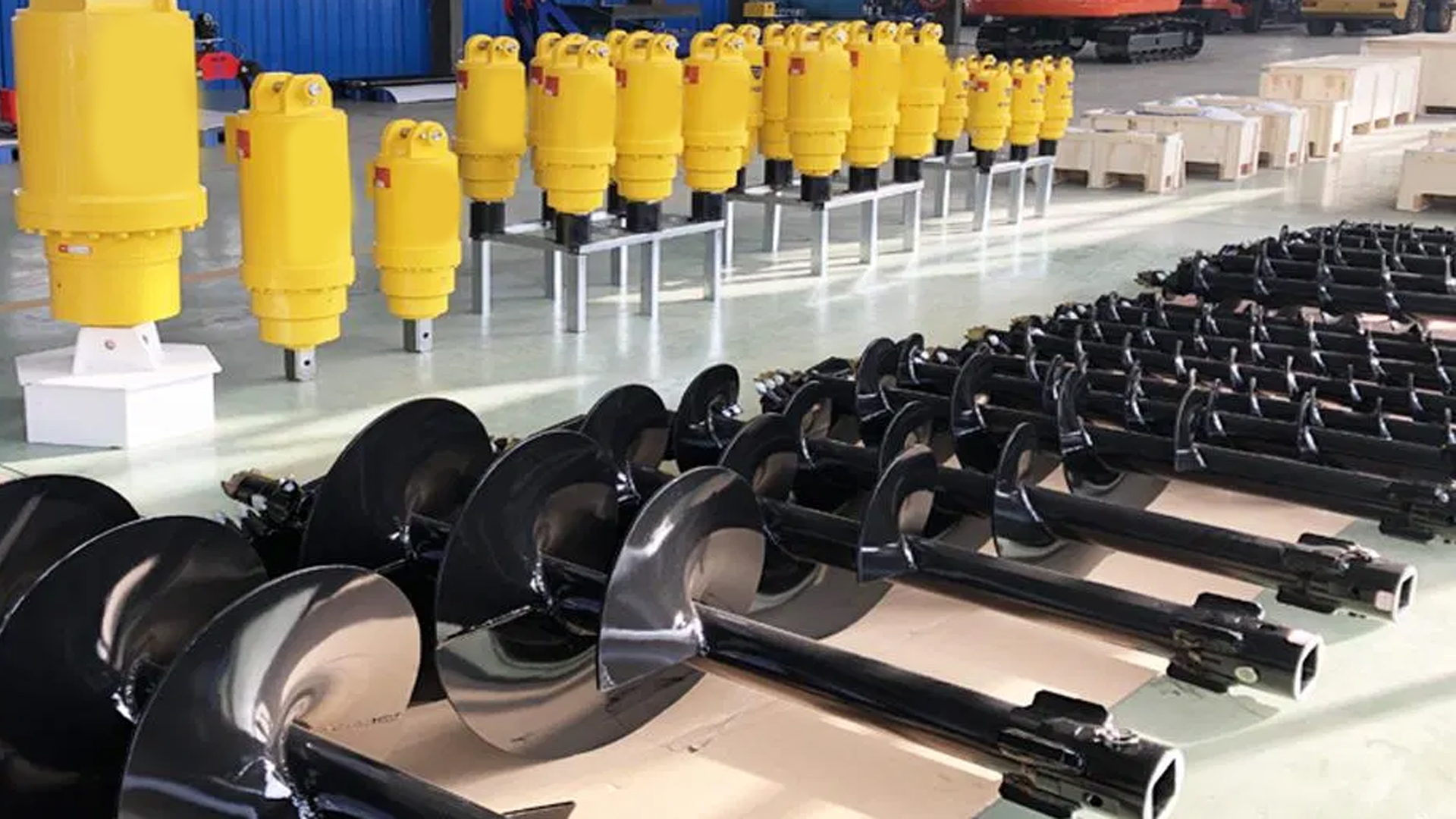
Conclusion
Auger drive selection is a systematic work that needs to comprehensively consider stratum conditions, drilling specifications, construction environment, and equipment matching. Electric, hydraulic, and mechanical auger drives have their own unique applicable scenarios, and there is no absolute best product, only the most matched one. Standardized selection can effectively avoid common problems such as weak drilling power, auger jamming, and frequent failures, greatly improve drilling construction efficiency, reduce later maintenance and replacement costs, and create greater economic benefits for construction and production operations. When purchasing an auger drive, users should abandon the single price or parameter judgment standard and make scientific selection combined with actual working conditions.
Related News
- CNC Machining Castings: Machining Allowance, Datums and Defects
- CCMS Industrial Delivers Precision CNC Parts for Advanced Automation Equipment Applications
- CNC Machining Design Guide: Make Parts Easier to Quote and Produce
- How to Select the Right Centerless Grinder for Your Precision Machining Shop
- How High-Torque Gearboxes Improve Uptime for Excavator and Drilling Fleet Operations
- CNC Machining Surface Finishes: How to Specify Texture and Treatment
Leave me a message