

Industry News
 11 2026-05
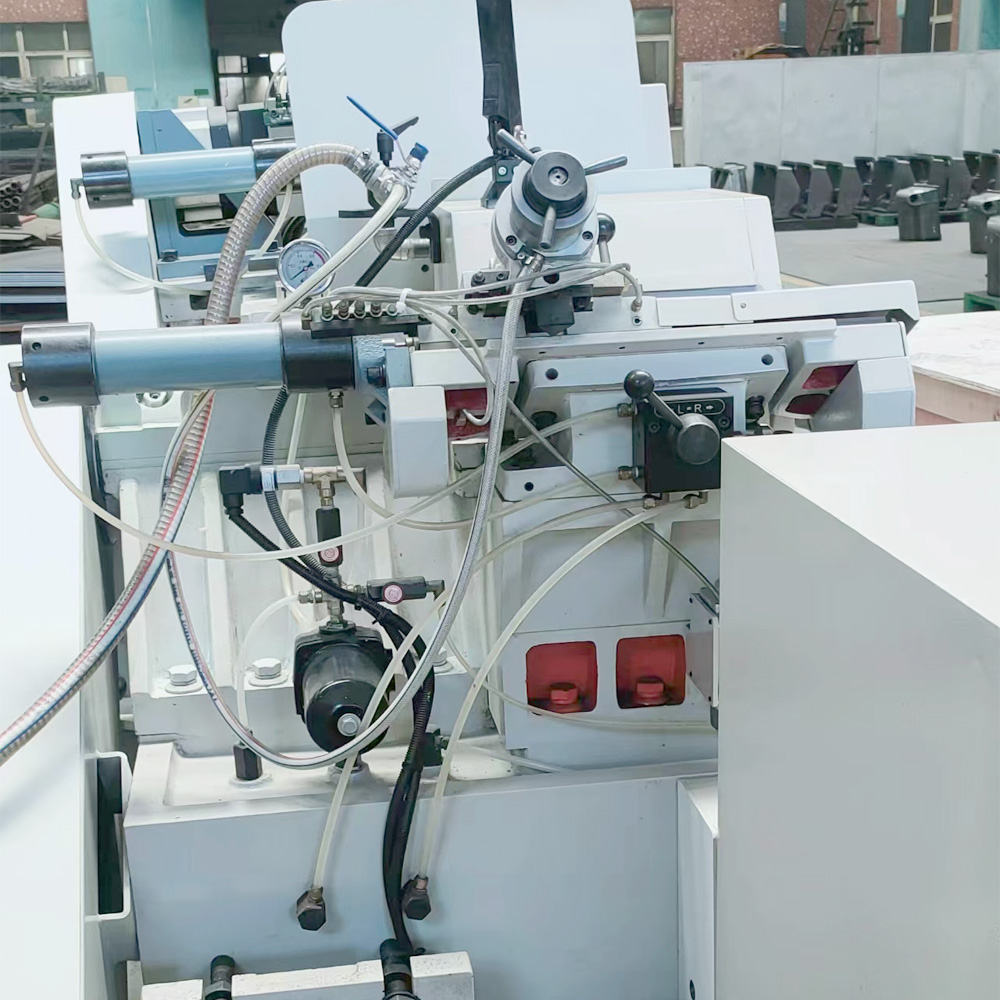
Why Modern Centerless Grinders Focus on Precision, Intelligence and Automation
In the fast-evolving landscape of precision machining, centerless grinding machines stand as critical equipment for cylindrical part manufacturing. As industries like automotive, aerospace, medical devices, and precision engineering demand ever-tighter tolerances and higher efficiency, modern centerless grinding technology is rapidly advancing around three core hotspots: high precision, intelligent control, and full automation. These technological breakthroughs are not only enhancing machining quality but also reshaping the future of smart manufacturing.

 07 2026-05
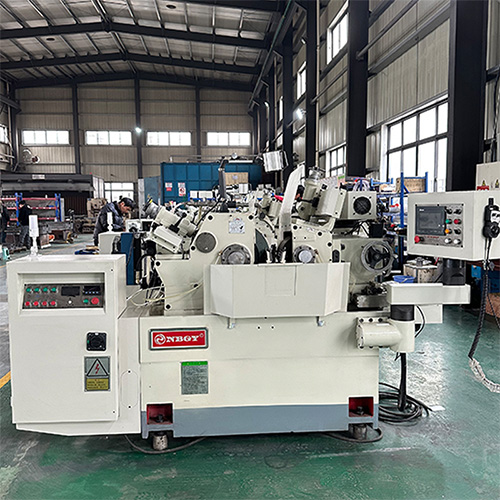
Global Centerless Grinding Machine Market Landscape & Supply Chain Hotspots (2026)
In 2026, the global centerless grinding machine market is undergoing a profound shift. Geographical dominance is realigning, supply chains are being rewritten, and trade dynamics are creating both risks and massive opportunities for manufacturers and buyers alike. If you’re sourcing, investing, or competing in precision grinding equipment, understanding these market shifts isn’t just helpful—it’s critical for staying ahead.
 30 2026-04
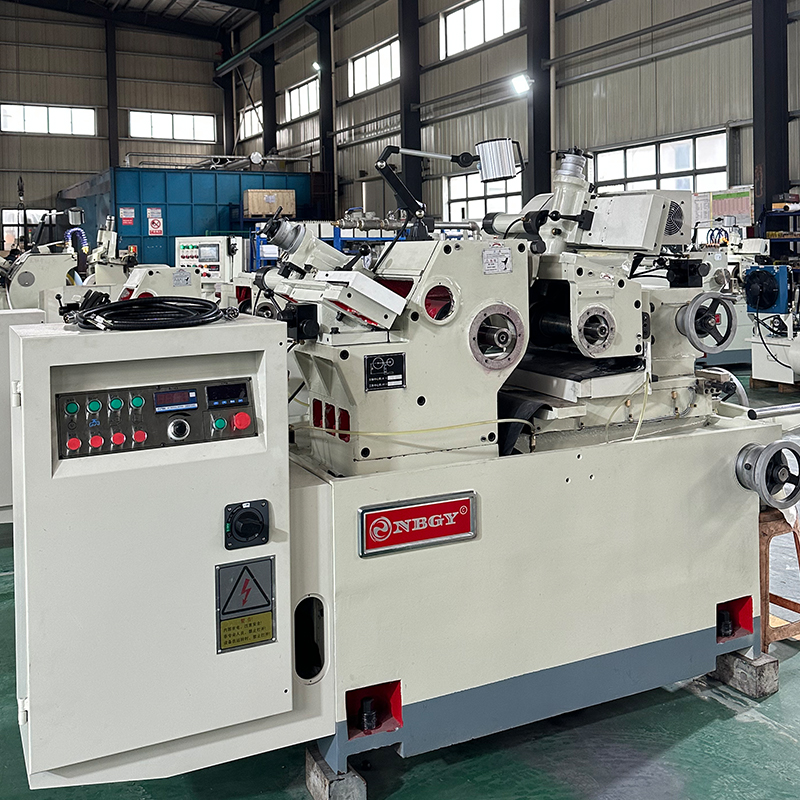
How to Choose the Right Centerless Grinding Machine for Your Workshop
For machine shops, fabrication facilities, and precision component manufacturers, investing in a centerless grinding machine is one of the most valuable long-term decisions you can make.
Unlike traditional cylindrical grinders that require clamping and precise centering of every workpiece, a centerless grinding machine holds parts on a work rest blade and uses a regulating wheel to control rotation and feed speed. This unique structure enables continuous mass production, faster cycle times, and outstanding consistency for small shafts, pins, round tubes, bolts, and various round bar stock.
 30 2026-04
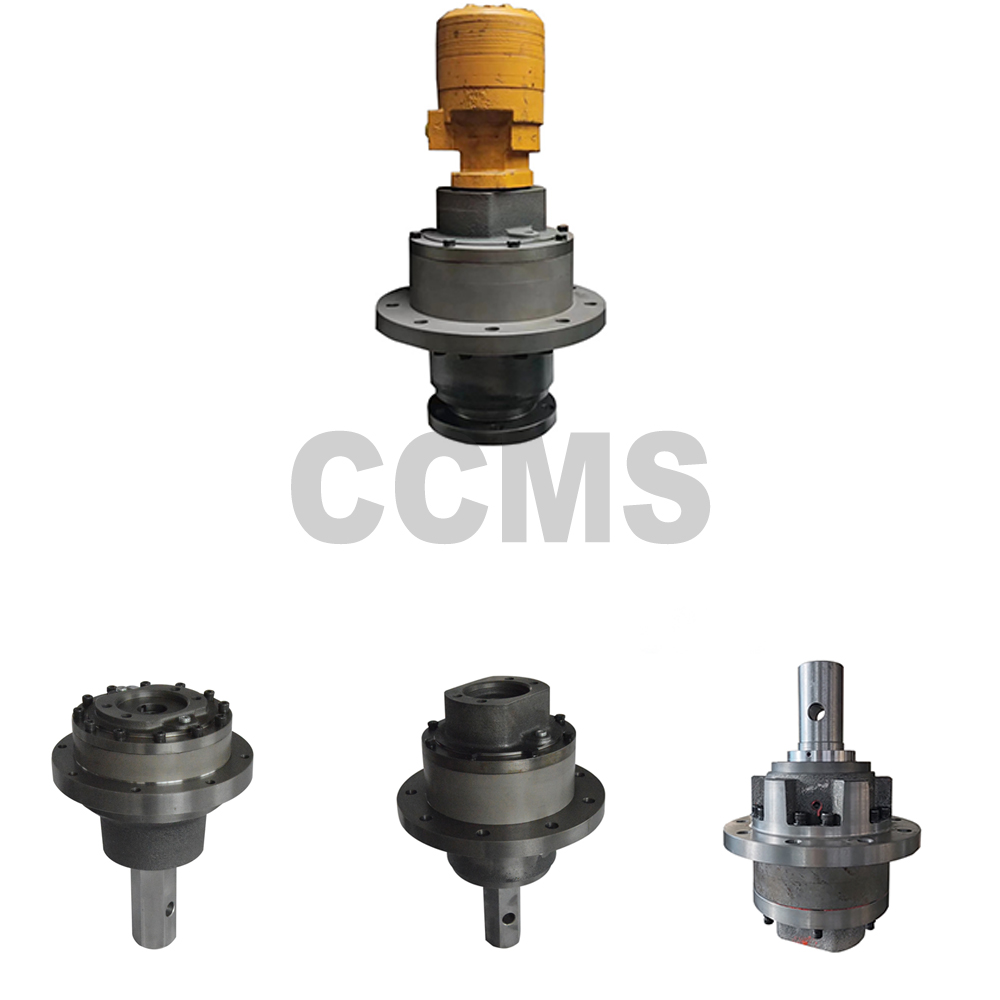
How to Extend the Service Life of Planetary Gear Reducers?
Planetary gear reducers are the workhorses of industrial motion control, powering everything from CNC machines and robotic arms to wind turbines and conveyor systems. Their ability to deliver high torque, precision, and compact design makes them indispensable in modern manufacturing and automation. Yet, many plant managers and maintenance teams struggle with premature failure of planetary gear reducers, leading to unplanned downtime, costly replacements, and lost productivity. The good news is that with proper care, maintenance, and strategic use, you can significantly extend the service life of your planetary gear reducers—often by 50% or more. In this guide, we’ll break down practical, actionable steps to keep your planetary gear reducers running smoothly for years to come, tailored to the needs of maintenance professionals and industrial operators.
How Is Planetary Gear Reducer Boosting EV Torque Density?
Electric vehicle (EV) engineers constantly seek higher torque output without increasing motor size or weight. The answer lies in the planetary gear reducer – a compact, high‑efficiency reduction system that multiplies torque while fitting into tight drivetrains. But theoretical torque density (Nm/kg) is only half the story. Achieving real‑world gains requires micro‑precision manufacturing, where gear tooth errors are held below 0.01 mm. This article explains how the planetary gear reducer unlocks EV performance and why sourcing from a precision‑focused partner like CCMS eliminates common procurement pains.